What do you wish you knew before you started DJing?

From unshakable fatigue, to the highs and lows of gigging, and the demands of self-promotion, six DJs tell us the advice they'd offer to their younger selves.

Listen to this article, written by Bridge contributor Niamh O’Connor

When it comes to navigating DJing of any description, there’s really no limit to the useful knowledge you can pick up. We asked six experienced pros what they wish they knew before they started, and across their answers they each had something a little different to say. 

We hear about the unshakable fatigue. The amount of time it really takes to break through. How much marketing is involved. The importance of setting boundaries. And the crushing contrast between the adrenaline high of a gig and sitting alone in a hotel room afterwards.

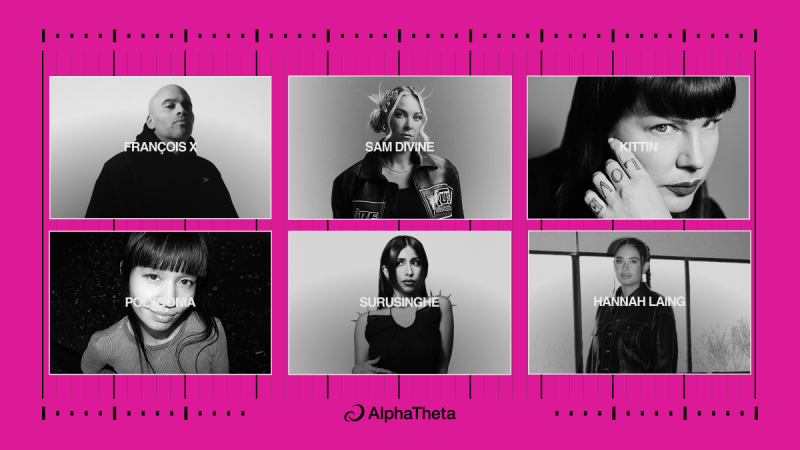
There was also plenty of overlap with what the DJs told us—like understanding what works for you, your mind, and your body, how lethal comparison can be, and how crucial self-motivation is throughout the journey. No matter where you are in your own journey, the words below from François X, Hannah Laing, Kittin, Polygonia, Surusinghe, and Sam Divine should hopefully help you to avoid at least one or two of the mistakes that they made. 

Credit: Katja Ruje

Kittin

It’s all about learning from experiences for the seminal producer, DJ, and singer 

What do you wish you knew before you started DJing?

To be careful with the nightlife rhythm and a heavy schedule. But you cannot know it before you experience it. When you start DJing, how can you know it’s going to work, if you will make a living out of it, and be on the road all the time? If it’s your dream, you embrace it fully. Then it’s too late.

No free weekends, or time to rest with your friends and family, believing the FOMO, [no time to] nourish your creativity with quality time outside work. We all cried in hotel rooms, we all had a burnout, that’s how you find out where your limits are. Then it’s all about respecting them. It takes a lifetime, and it never stops, as we change and age. We constantly have to adapt.

If I’d known that before, I wouldn’t have followed any advice anyway. You only learn and integrate by going through it. You can’t escape that. 

How has not knowing this (or realising this sooner) affected your DJ life? 

I was always on the edge. Constantly tired. As soon as I recovered, I was already on the run for another gig. My mind was always in “what’s next?” mode, never in the moment. I had several burnouts at a time we didn’t even know what it was, and even dare talk about it. To complain wasn’t allowed. The concept of mental health didn’t exist. I was very hard on myself, and never thought I was enough, did enough, or was good enough.

It made me create incredible things, but I wasn’t living or enjoying. It was survival, and more than that, my life depended on my work as my passport to freedom, my independence. I don’t even have clear memories of important moments in my career. If you talk to other artists they will tell you the same.  

I was never there for my beloved ones. I watched them grow, build families, and I was never there. My time and attention were dedicated to strangers instead. I realised I might turn around one day and be alone. That’s when I started to slow down without guilt: to be there for my friends. The same friends since 30+ years.

What general advice would you give your younger DJ self?

No advice. Make your own experiences. And learn from them. We are all different. What worked for me may not work for you. Find out what works for you. And search for help when you need it. With help, you might earn precious time.

And no, it was not better before.

François X 

For the DJ, producer, and XXLAB RECORDS founder, it’s about understanding the difference between a hobby and a profession

What do you wish you knew before you started DJing?

I wish I had understood earlier that DJing is a professional activity, not just a beautiful fantasy built around passion and freedom.

It is a real discipline that requires education, structure, and a high level of professionalism. Behind the music there are responsibilities, consistency and long-term commitments that go far beyond what you imagine when you start.

How has not knowing this (or realising this sooner) affected your DJ life?

It created a strong contrast that I had to learn how to manage over time. The intensity and adrenaline of playing in front of a packed dancefloor can be extremely high, and then suddenly you are alone in a hotel room, in silence.

Learning how to navigate between those emotional extremes takes time. Not being prepared for that earlier made some moments more challenging than they needed to be.

What general advice would you give your younger DJ self?

Be patient, my friend.

Artistry takes time. Crafting your sound, your identity and your place takes years, not months. Focus on building something honest and solid rather than rushing toward quick validation.

Hannah Laing

The doof founder, producer, and DJ wishes she knew the importance of setting boundaries

What do you wish you knew before you started DJing?

I wish I had known that it’s healthy and actually necessary to say no sometimes. When you’re starting out, especially when things begin to gain momentum, it feels like you have to say yes to every opportunity in case it never comes again. But protecting your time, your energy, and your vision is just as important as taking opportunities. Not every gig, collab or event is aligned with where you’re trying to go.

How has not knowing this (or realising it sooner) affected your DJ life?

During the “blow up” phase a few years ago, everything was happening so fast. Opportunities were coming from all angles, and I didn’t want to miss any. I thought saying yes to everything was the key to growth. But in reality it led to serious exhaustion, physically and mentally. I was constantly on the move, not always resting, and sometimes taking on things that didn’t truly serve me or my long-term goals.

Looking back, I realise that being selective would have allowed me to show up better, perform better, and protect my creativity. Burnout can happen quickly when you don’t give yourself space to breathe.

What general advice would you give your younger DJ self?

I’d tell myself not to let the knock backs get me down. Rejection is completely part of the journey; it’s not a sign to stop, it’s a sign to grow. Every “no” builds resilience and pushes you to improve.

I’d also remind myself not to compare my path to anyone else’s. Everyone’s timeline is different. Not everyone will like what you do and that’s perfectly fine. Stay authentic, keep refining your sound, and let criticism fuel you rather than discourage you.

Credit: Fan Wen

Polygonia

The producer, DJ, live performer and founder of QEONE wishes she knew about the personal toll of life on the road

What do you wish you knew before you started DJing?

After touring quite intensively these past three years, I would definitely say that I wish I had realised how much I would miss my friends.

Being a touring artist often means being alone on the road, and there are some moments you definitely miss out—this makes it more complicated to keep up with your personal life in general, as there are only four days left during the week, which are mostly dedicated to work on projects.

I also wish I knew this would include sleep deprivation. Luckily, I’m kind of blessed that I’m able to stay up late regularly without drinking, or any coffee. The fact that I’m sober makes it easier to withstand the weekends when there’s only a little sleep available.

But still, that’s not healthy for your brain, your body in general and your mental health. 

I really love sports, but keeping the routine up with a heavy touring schedule is not the easiest either.

Another thing I wish I knew is that Instagram or WhatsApp will be part of my daily life. You need IG to promote yourself and you need WhatsApp for touring logistics. It’s impossible to put them aside. I try to do all of this as best I can during my free time. 

I also wish I knew that no one would use Signal (haha) in the touring world, which I highly prefer for data-security reasons.

How has not knowing this (or realising this sooner) affected your DJ life?

When you start touring, working, releasing music, you’re very passionate and excited about what’s happening. So, I’ve been working a lot, mostly full-time, very long hours.

But now, I believe I have dedicated a large part of the past years to my project Polygonia so I’m changing my daily routine and focusing more on my personal life and friends outside of my job. The adrenaline of the beginning when everything is new is quite enjoyable but at some point you can feel like you’re losing yourself. And of course, I thought that work would be the most fulfilling thing, as music is also my heartfelt passion. It takes time to process and really know what makes you feel good—a healthy balance of both!

Lacking sleep can be quite difficult to manage, saying no to people to come to the afterparties, sometimes disappointing them—it takes courage to say no to people. But it’s important, and I’m learning it more and more.

Social media platforms, and especially Instagram, can influence your mood in a very negative way. I did not realise straight away how much space it will take in my life to reach out to listeners, followers, connects. My approach is to use it mainly as a tool and not too much as a consumer.

What general advice would you give your younger DJ self?

As a young DJ, it’s important to set boundaries, learn how to say no, and keep space for yourself!

And also very important from a technical point of view: stop ignoring the fact that rekordbox offers intelligent playlists. It produces extra work if you have to redo your whole library. 
Sam Divine

The First Lady of Defected and the founder of the label 555 explains how health and wellness are key

What do you wish you knew before you started DJing?

They say it takes 10 years of hard graft before you even start to see any sort of recognition. So be prepared to strap in for the ride. There will be knock backs, there will be highs, there will be lows, but all of these things are just moments, and they will pass.

Always be authentic. The music industry can smell bullshit. Make sure you are doing it for all the right reasons. Be prepared to make huge sacrifices in your life. Music always came first for me for many many years and I have paid the price for that, physically and mentally. I wish I had paid more attention to what was going on around me. There’s a fine line with being hyper-focused on your passion.

How has not knowing this (or realising this sooner) affected your DJ life?

It definitely made me impatient at times. I played shows that didn’t always align with who I was musically, and many times in my career I have felt lost and confused, but staying true to myself always put me back exactly where I was meant to be.

Health and wellbeing is the number one key to success in the music industry. If you don’t look after yourself early on, the burnouts from the long nights, early mornings, and travel can have a devastating effect on your spiritual wellness. It took me 25 years to realise this. Now I am 14 months sober and thriving more than ever in my personal life and career.

What general advice would you give your younger DJ self?

I’d tell my younger self to slow down, enjoy every moment and trust the process. Don’t compare yourself to anyone else and stay in your own lane. Don’t follow trends, as trends come and go. Read books or research rave history and the culture. Put your hand up for everything and create opportunities for yourself by being everywhere. So many happy accidents can occur by being in the right place at the right time.

Credit: Leanda Heler

Surusinghe

Founder of the blog, music club, and party DRIFTING, Surusinghe talks about self-motivation and maintaining consistency on an inconsistent journey

What do you wish you knew before you started DJing?

If I’m being completely honest, I think I wish I knew how much DJing as a career is actually about marketing yourself. Like, I can’t even articulate how many days I wake up and sigh and say, “God I wish I was Helena Hauff”.  Of course, firstly because she’s an unbelievable artist, but also because she has no social media. Imagine! No social media, in this day and age!? It’s pretty wild to think about. I think the marketing side of things just makes me second-guess myself a lot and really challenges me in ways I never expected.

How has not knowing this (or realising this sooner) affected your DJ life?

It affects me every day! I honestly wasn’t really that much of an anxious person or over-thinker growing up but now I feel like I’m forever stuck in an anxiety loop. I’m always asking myself, “Will people find this lame?” or “Does anyone even like this?” which is super unproductive. But I hope by being honest about this people will feel some solace in their anxiety loops haha. I even find it when I open up rekordbox sometimes! I’ll sit there scrolling for hours being like… omg I hate all of my music. Everyone is going to hate this.

But truthfully (and as corny as this sounds), one certain thing in my life is the joy I get from actually DJing. Being behind the decks is my one real release and once I get into my rhythm I feel like I can really escape from the thoughts in my head and I find a lot more clarity and peace. So yeah, it’s ironic how the cause of my stress is also somehow the fix haha.

What general advice would you give your younger DJ self?

The advice I’d give my younger self is to set healthy and productive routines. DJing as a career can be sooo chaotic. Forever flying, crazy hours, and lots of partying (just trying to be honest here lol). This makes it hard to keep relationships at home and to have a healthy brain and body.

When I started touring, I was just so excited to be playing and was livin-la-vida-loca every night, so when I finally realised the impact it was having on my life, it made it harder to set up a routine because I was so out of practise. Luckily I’m still young and do have a healthy relationship with partying and exercise so it wasn’t too hard to unlearn these habits, but I definitely wish I had more of a routine in my life earlier.

Like any freelancer, it’s all about self-motivation, so it really takes a toll when you’re not focused. You need to be producing and digging like a 9-5 job during the week or else you lose so much time, which could be spent on refining your craft.

I think what is key to finding some sanity in a really inconsistent lifestyle is knowing what your consistencies will be. For me now, it’s things like setting friend dates on Sunday nights, being in the studio every Tuesday, Wednesday, and Thursday (if I’m not on tour) and I do my pilates or yoga at least three times a week. Without these regular practices, it’s easy to feel like the control on my life is slipping away and then when you add the anxiety loop I mentioned before, it friggin’ sucks. So yes, I guess that was a really long-winded way of saying, have control over your life yung Suze!

Text: Niamh O’Connor