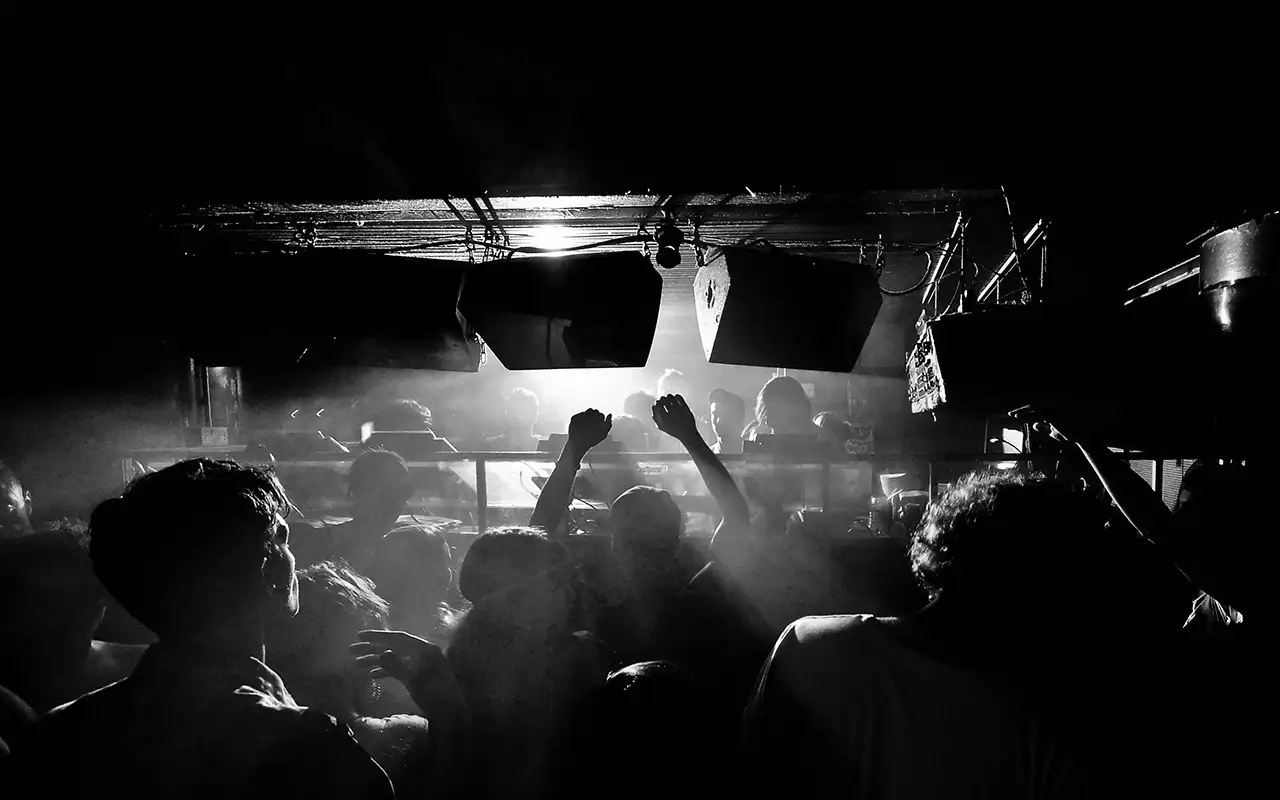
In October of this year, I went to fabric in London for some of the club’s 30-hour-long birthday celebrations. There are many reasons why, after 26 years, fabric is still at the summit of UK clubbing. The incredible sound system in Room One remains one of the best places in the world to hear dance music. The club still books a cutting-edge range of music each weekend. And, the point I’d like to highlight here, there’s almost no phone reception in the venue.
I’ve long known this about fabric but the addicted part of my brain was still pretty upset, as I tried in vain to message friends who were arriving later that Sunday. But the initial discomfort gave way to a refreshing sense that all I had to focus on was the music and the people around me. Sure, that meant tolerating some boredom here and there when a DJ picked a track that did nothing for me. But there was no doubt that zero phone access meant a deeper and better experience than I otherwise would have enjoyed.
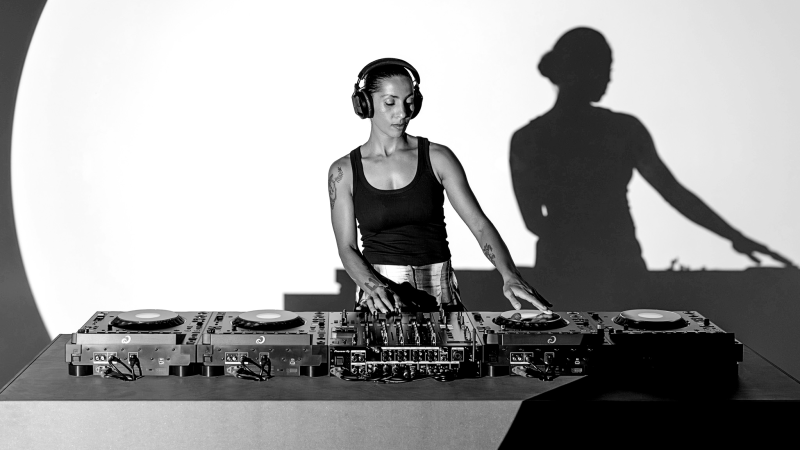
Phone reception or not, DJ booths and dance floors are among the few places where we can still be comfortably untethered from the internet. The whole point of the experience is to lose yourself in the moment, something that checking your phone or filming make close to impossible. But as so much of DJ and club culture plays out online now, going internet-free has come to feel both more difficult and more precious than ever, a point that was obvious as we looked back on the stories and advice we shared here in 2025.
Back in January, we started a DJ Career Guide designed to help newbies and experienced heads alike build a sustainable career, and it was striking just how much DJs have to think about digital technology. Doing “social media” can in reality mean DJ managing a presence (if we include music streaming services) on as many as 10 platforms. The pervasive impact of social media was nicely captured when we collaborated with the Pete Tong DJ Academy to present their research that asked, among other juicy questions, Do you think social media following is prioritized over musical skill these days? It turned out that 61% of the students they surveyed agreed, and most people on our Instagram felt the same.
We also looked at how DJ streams changed everything. The simple practice of filming and broadcasting DJ sets that took root around 15 years ago has had a seismic effect on DJ culture, to the extent that streams are probably now the most popular way that people connect with DJ culture. The convenience and accessibility of DJ streams has undoubtedly been a boon for audiences—but does bringing the dance floor online only create more digital distraction?
We explored another push-pull question at the back end of 2024 with a piece called Why are “no-phones” policies becoming increasingly popular? Many people appear to welcome such policies and generally wish that fewer people would film at gigs. And yet at bigger events and festivals especially, a sea of phone cameras is the visible norm. DJs can find themselves in a bind with this development. “User-generated content” is great for showing a much bigger online audience how much fun it would be to come see them IRL. But on the night, the same DJ might have wished that people paid more attention to the music and less attention to their phones.
If the creep of technology feels overwhelming, it can be comforting to fall back on nostalgia. We looked at 10 of the best Instagram accounts for DJ and club nostalgia, and found that a lack of phones in the old footage was probably the thing people gravitated towards the most. There is a certain irony in using social media and smart phones to yearn for times and experiences without social media and smart phones. But like so much of our technological age, the sword is double-edged.