Seven DJs tell us how they select their all-important opening track.
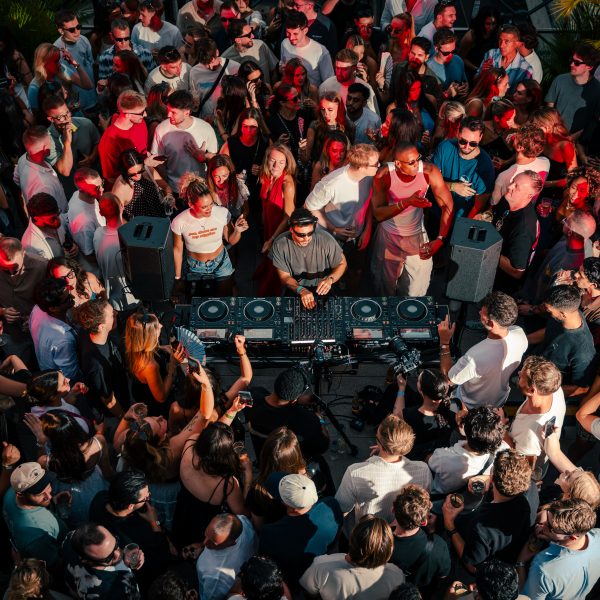
How to read a crowd
Eight DJs offer their thoughts and advice on this crucial skill.
Seven DJs tell us how they select their all-important opening track.
Listen to this article, written by Bridge editor Ryan Keeling
It doesn’t matter if you’re shooting a movie, writing a novel, recording a podcast, or shaping a DJ set, getting the opening right might be your most important task.
The opening sets the tone. It shapes expectations. It should fix people’s attention and leave them wanting more. There’s human psychology behind this. Studies have uncovered the “primacy” and “recency” effects, whereby we best remember the start and the end of things.
How do we handle this challenge as DJs?
It’s tempting to say that there are firm best practices. For example, building tension and hinting at what’s to come are both great things to bear in mind. But for any rule you can come up with, you can probably remember seeing a DJ who broke the rule and made it work.
DJing stands apart from most other creative disciplines for one crucial reason: your opening can change in real-time in response to your audience. Even if you’re a DJ who prefers to decide their opener in advance, the context of the party—what the DJ before you played, the crowd’s energy, the venue’s soundsystem—may trigger a drastic rethink. In other words, DJs have a huge amount of freedom, which, depending on the gig, might feel liberating or overwhelming.
As you’d expect, then, all of the seven DJs we spoke to below approach opening their sets a little differently. Some create bespoke intros; others pick from a range of predetermined options; others rely on improvisation in the moment. But if there is a consistent message it’s this: make a statement and make it yours.
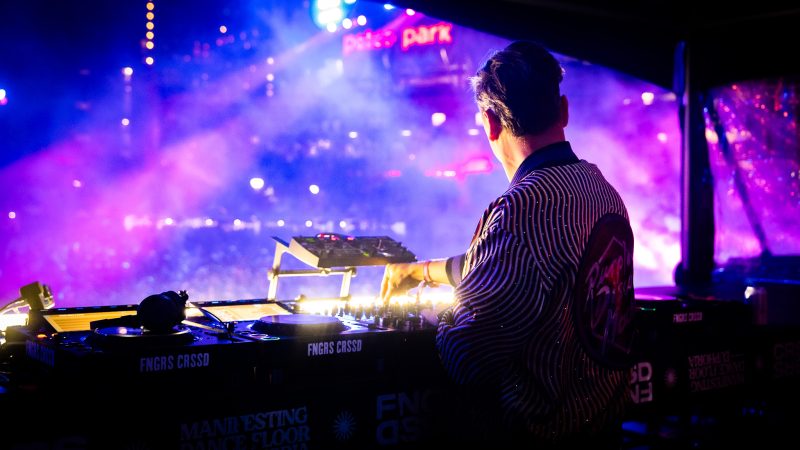
I always start with my own intro, which I sometimes adapt depending on the show, the location, or the occasion. For example, if you come and see me at Pacha Ibiza this summer, you’ll hear a special Pacha version. I like to begin my set this way because it gives the audience a brief pause before the music really kicks in, allowing them to settle into the atmosphere. It also gives me a chance to read the crowd, get a feel for the mood on the dance floor, and ease into the first couple of tracks. From there, the rest of the set usually flows naturally.
I usually have a clear plan for how I want to start my set, but the conditions on the dance floor definitely influence how the set unfolds. I’m constantly trying to read the crowd to understand what they need in that moment, so the set develops accordingly. I think you could compare a DJ set to a rollercoaster, with plenty of energetic highs and lows.
I usually make changes to my setlist before the gig, on flights or at the hotel, but it still happens quite often that I change it right before the set because I feel another song would be a better fit in that particular moment. As you can imagine, that drives my lighting and visuals team crazy because they have to adapt at the last minute, but I always prioritise the music.
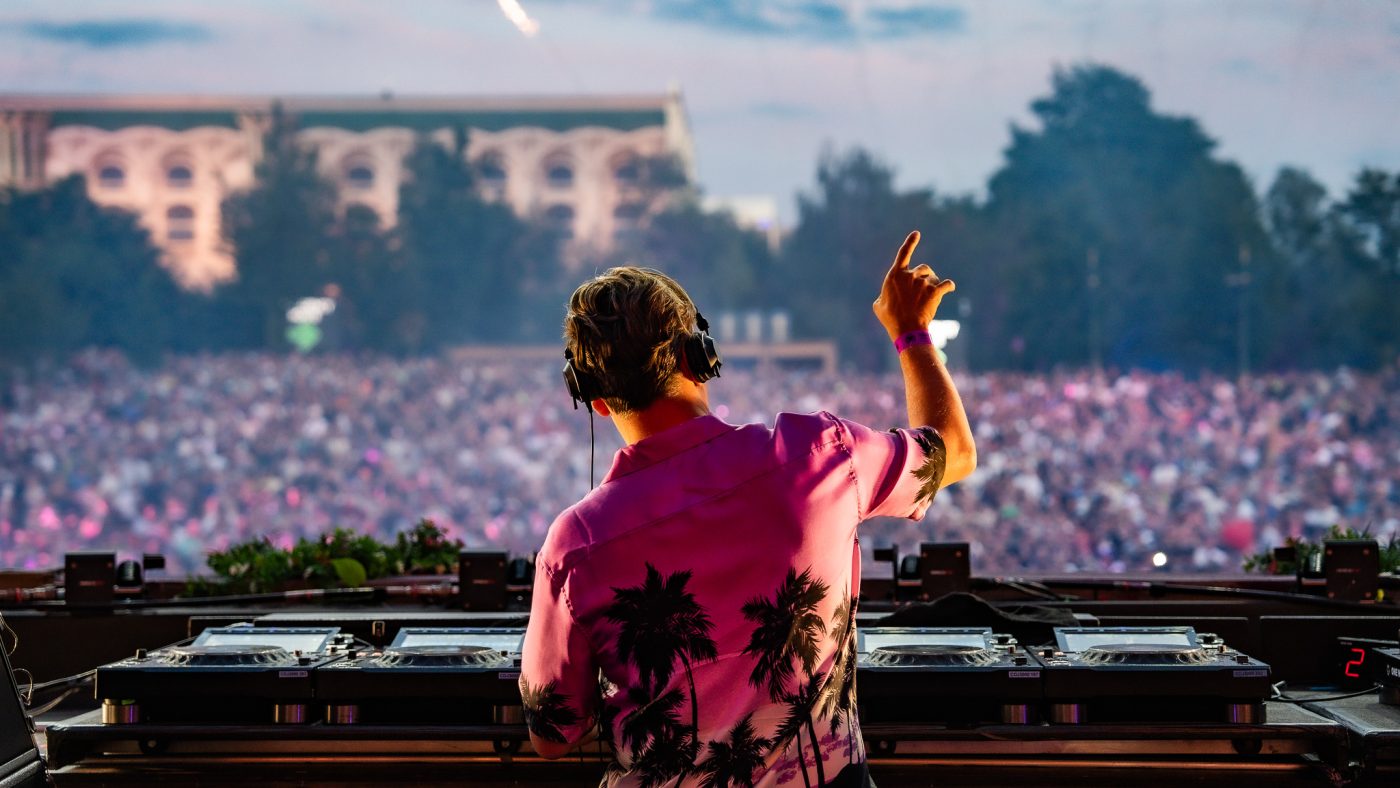
I prefer a clean break musically because it gives the DJ who played before me the chance to receive the applause and recognition they deserve before the transition. I also usually start much slower than most of the DJs I share lineups with, so it’s a good way to give the crowd a little reset, a moment to catch their breath before they dive into the world of Purple Disco Machine.
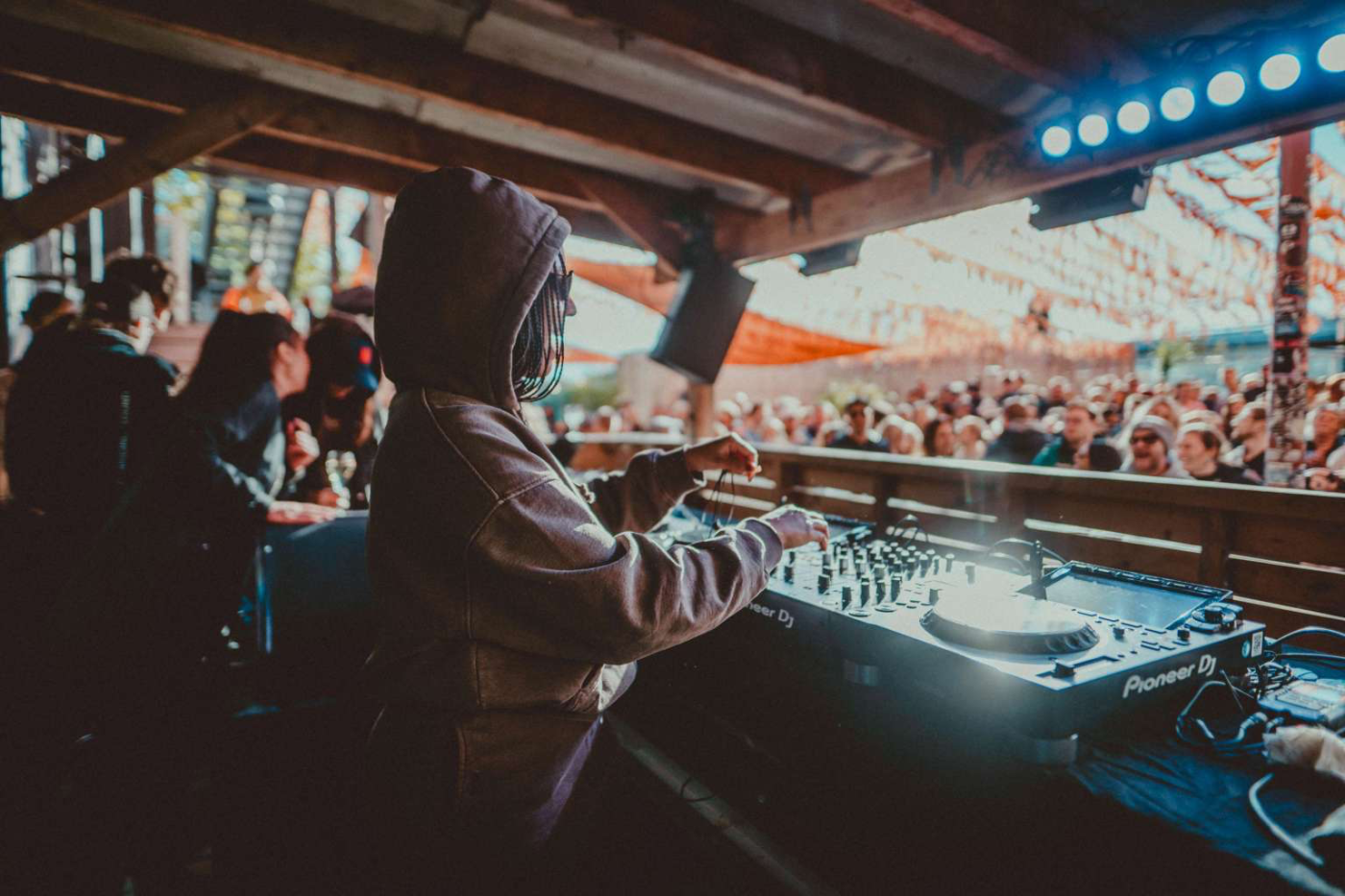
My opening track depends on where I’m playing. At my last gig, at the Zurich Street Parade, I started with “Good,” a track I produced myself, because I wanted to stand in my own power. I wanted to start with something that felt familiar to me.
In general, I love playing tracks at the beginning that I really feel myself, tracks that bring out emotions in me. It helps me get in tune, away from this crazy everyday world full of phone addiction, emails, grocery shopping, adult responsibilities, and all of that.
I think being present is an art. Thank God we have music.
As a DJ, I think one of your most important gifts is being able to observe. You have to keep zooming out and looking at things from a meta level. Of course, that’s just my personal opinion, but I think we’re there to make the crowd feel good on the dance floor.
When exactly I decide my opening track really depends. Sometimes I already know during a longer set preparation, and sometimes it happens completely spontaneously in the moment when I start playing. For me, it’s always about creating a feeling, creating an atmosphere, or checking what my colleagues played before me and tuning seamlessly into that when I feel their music or the crowd is already fully in tune with it. That’s adaptation.
I like both [a clean break from the set before and a continuation of the established mood]. It always depends on the feeling. I always say my favourite sound is silence. So if there’s just a moment of silence in between, and you let things breathe a little, I actually love that. I think it can make the dynamics much more interesting.
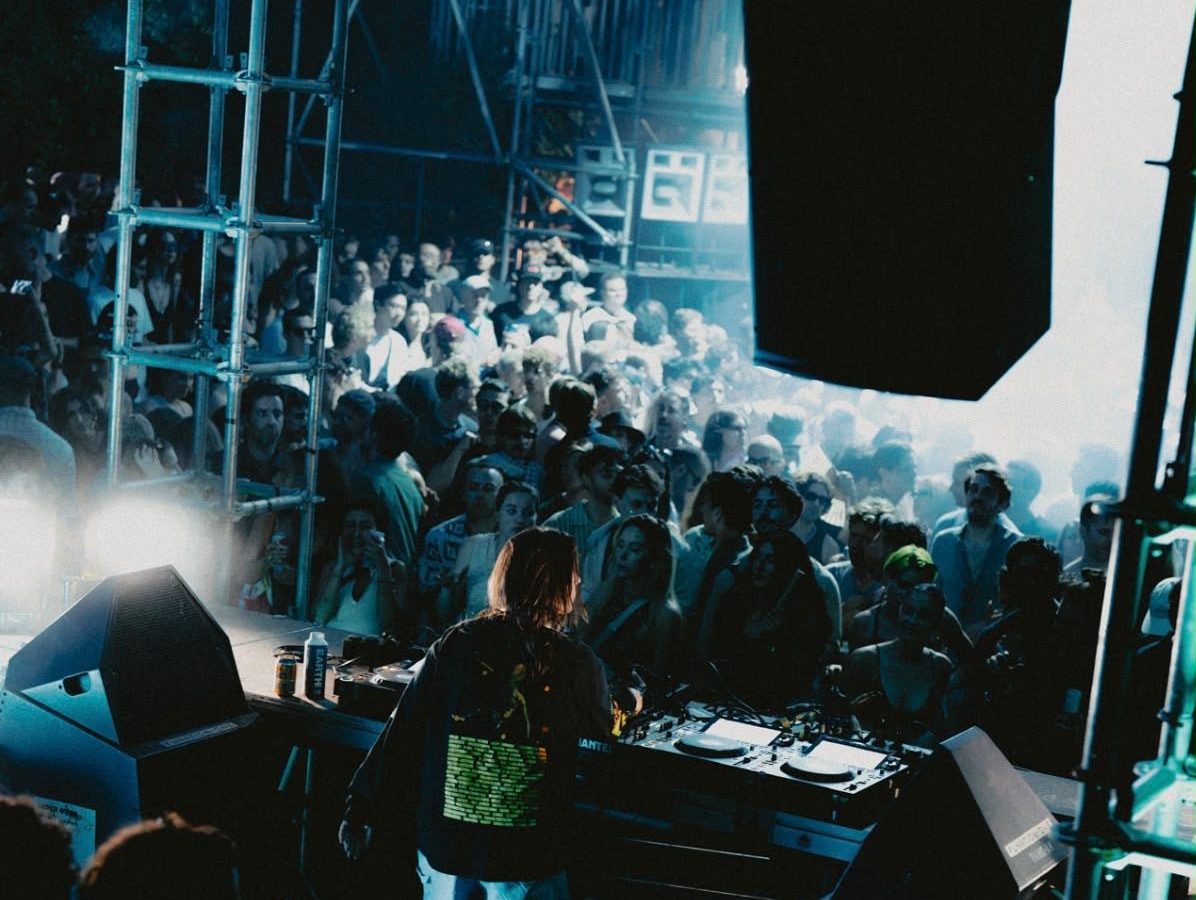
I like to start my set with an intro that I picked during preparation. The intro is a moment to let the audience know a new DJ started and to give space for the other DJ’s ending. And it’s some time for me to feel my feet on the ground haha.
But the intro might change if I see something else is needed on the dance floor. So I prepare at home but I always let the energy on the dance floor decide where it’s going, because that’s something you can never predict.
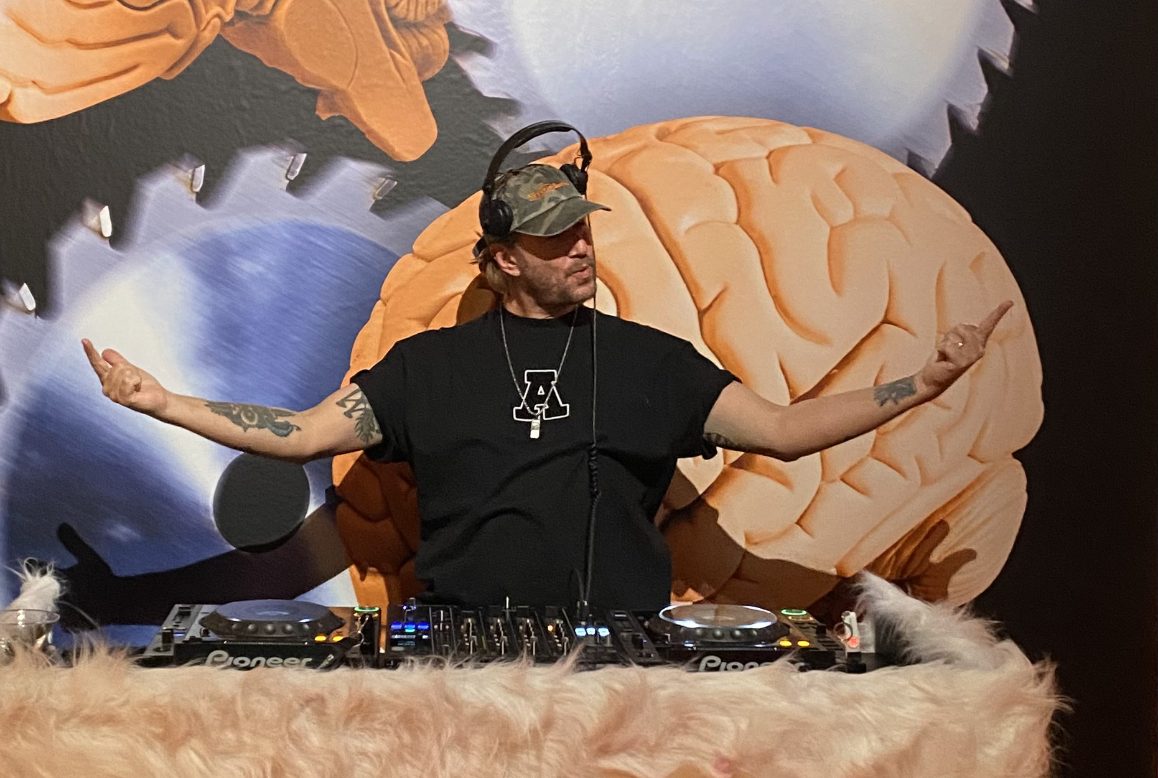
I’ve realised that when I prepare a lot before a show, I’m more likely to stray away from the plan. What puzzles me is if it’s because of the comfort to have something to fall back on or my inner rebel refusing to take orders, even from myself.
I don’t like to show up too long before my set because it blurs my intuition when I get too engaged in the music happening before me, but I usually try to follow the energy of the DJ before me even if I tend to play a bit slower than everyone these days.
If there is a live act or a band before me, I always start with stuff I don’t normally get to play when you’re in a lineup of DJs. I always have three or four songs I know I can start with and I usually know a few songs they would go well with, more that I don’t like to plan before a show.
If I see a few people having a good time not far from the booth, I try to play for them! It’s like they are the test audience for the whole place and as long as I keep them happy, everyone else will be.
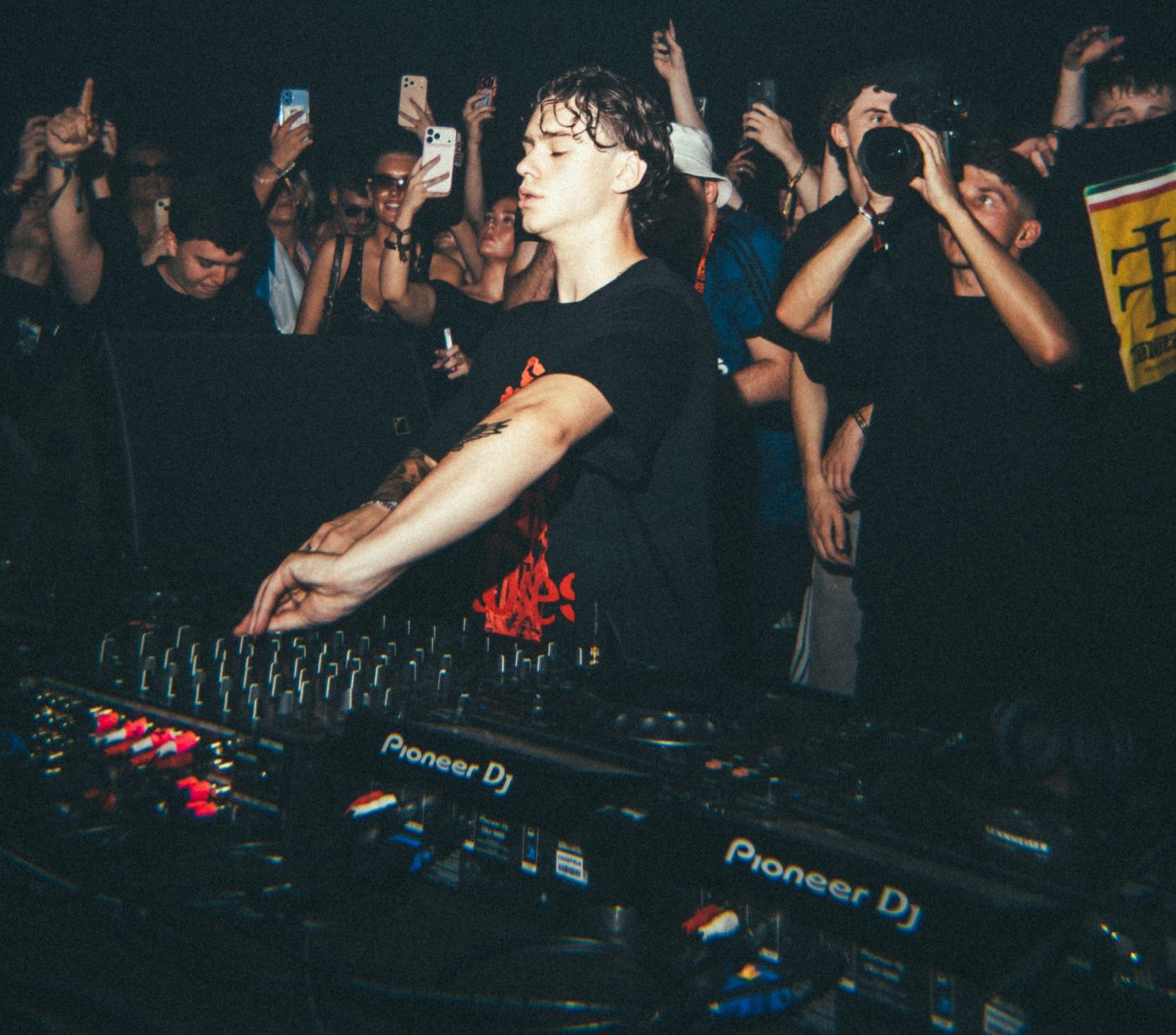
I think as a DJ you have to know how to read the room in order to choose the first track. I like to go down five to ten minutes before my set to get an idea of how I can come in with a bang and keep the crowd on their feet.
There are lots of different possibilities you’re gonna come across while DJing. Sometimes the crowd might be pretty flat and tired if you’re playing later on in the night; it’s your job to keep everyone hooked and keep everyone there. Playing an opening set means you’re gonna be the first thing that people hear when walking into the club, which means you have to make sure to grab everyone’s attention as soon as they arrive.
For my opening track I’ll usually have about 10 opening tunes that I can use depending on how the crowd is reacting to the DJ before me. I need to know whether to maintain the energy, or decide if it would be better to open with something a little lighter to give everyone a breather, before ramping it back up again throughout the set.
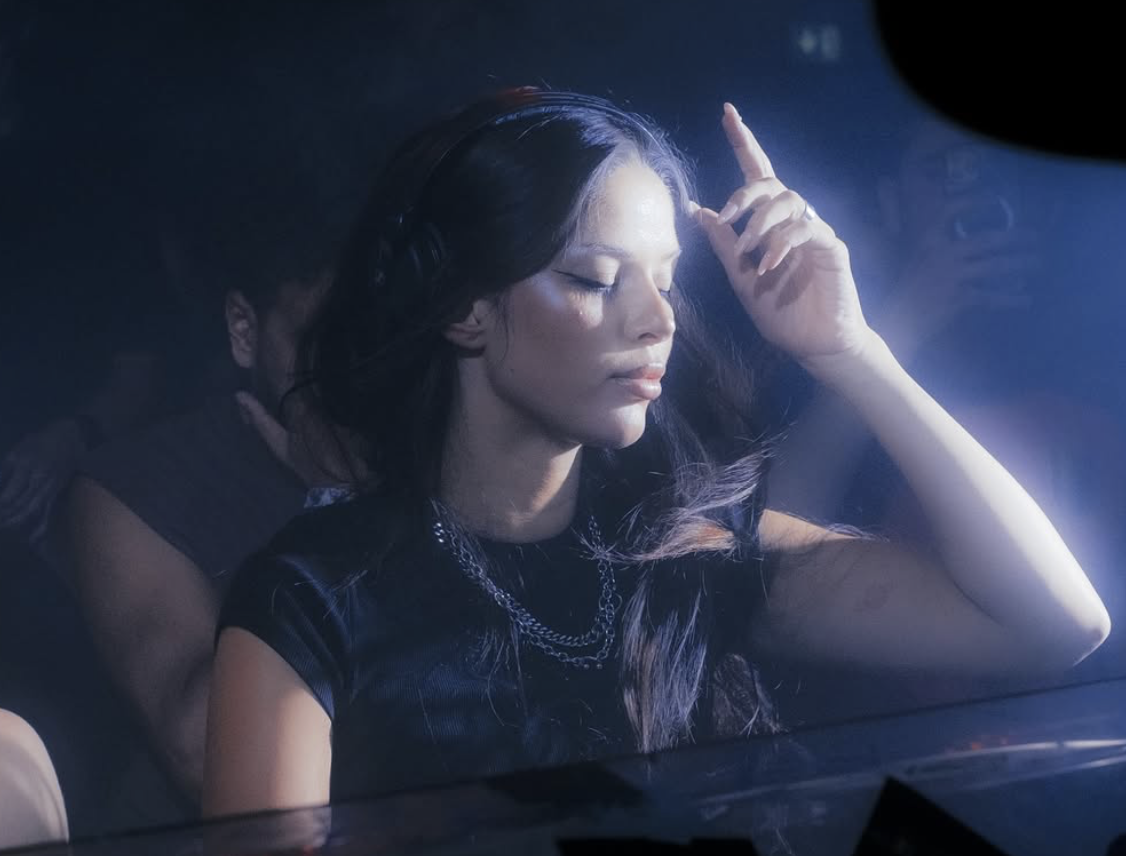
I always take the event, my set time, and the DJ before me into account. Those three things already tell me a lot about what kind of opening will feel natural, so I’ll prepare a few options in advance. Once I am in the booth and see how the crowd is responding, it becomes much easier to choose the right starting point and start my set on a good note.
The dance floor has a huge impact on the way I build my set. I might come in with a rough idea of where I want to take it, but once I see how people are responding, that usually shapes the direction of the set. I believe every crowd deserves a different experience. Rather than sticking to a fixed plan, I prefer to let the energy in the room guide my decisions while staying true to my own sound. That’s what keeps every performance authentic.
I always decide on the opening track at the very last moment. Every event is different, every crowd has its own character, and that’s something you can only really understand once you’re standing behind the decks. Even small details can influence that choice—the atmosphere, the energy in the room or simply the type of crowd in front of you. Those are the things that help me decide what feels right for that specific moment.
If the previous DJ has the crowd completely locked in, I don’t see the point in breaking that momentum. I’d rather continue that energy naturally before gradually introducing more of my own sound. At the same time, I also enjoy creating a completely fresh atmosphere when the moment calls for it. I don’t think there’s one right approach—it all comes down to reading the room and understanding what will have the biggest impact on the dance floor.
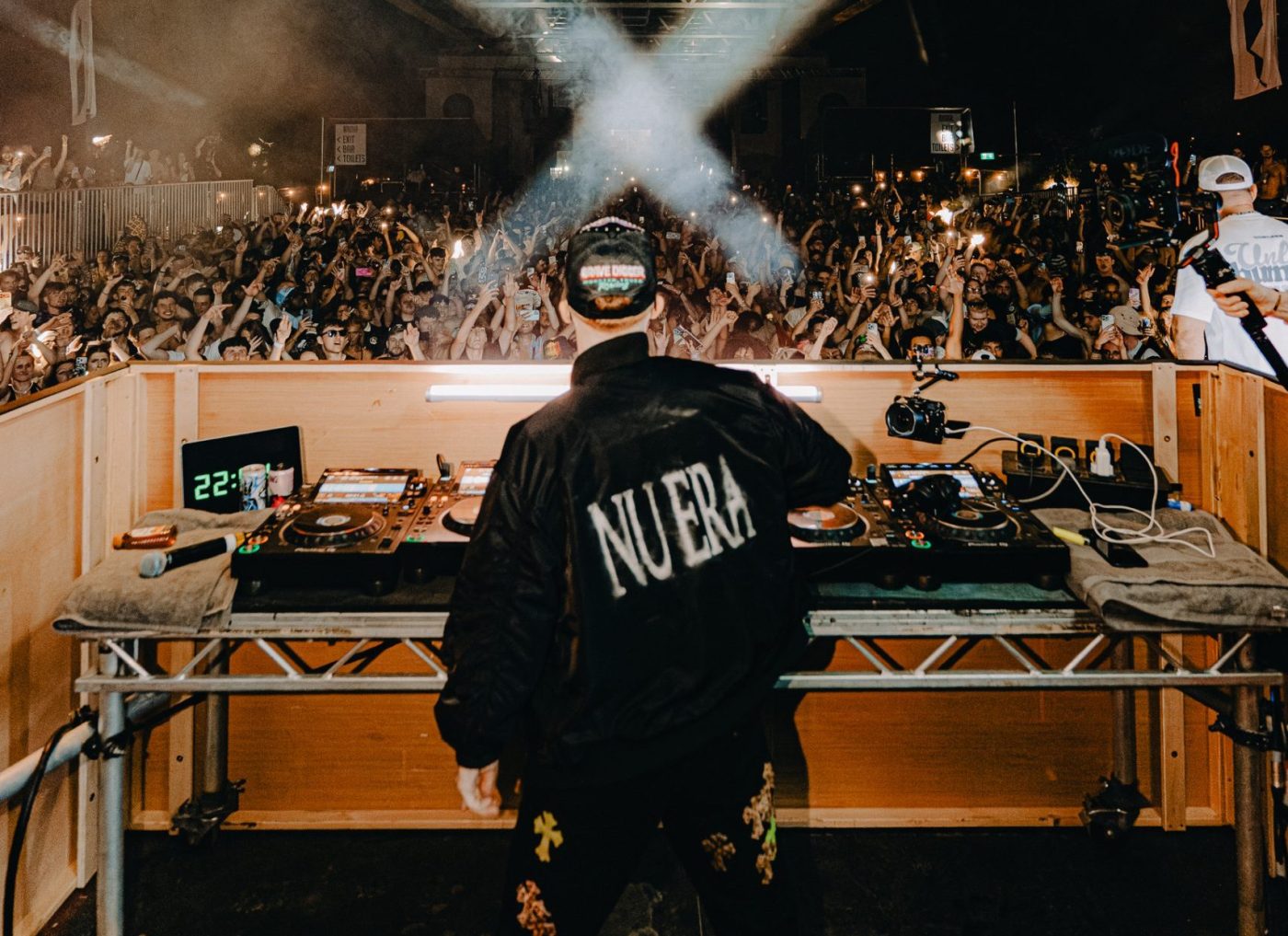
I really obsess and definitely overthink how I open the world that the crowd will be in for the next 60 minutes, especially when I’m doing more visual-based DJ sets. I will create an atmospheric or theatrical type intro that I can either mix into a new unreleased dub or my latest single, sometimes I just decide which one when I’m at the decks, depending on the show. I love tailoring certain drops and mixes to the dancefloor I’m playing. I essentially have a show “template,” which is a folder full of tunes and mixes that I use for visual stuff and then I mix it around adding new songs every week so it feels fresh.
Text: Ryan Keeling