Eight DJs offer their thoughts and advice on this crucial skill.
How do you begin your DJ sets?
Seven DJs tell us how they select their all-important opening track.
Eight DJs offer their thoughts and advice on this crucial skill.
Listen to this article, written by Bridge editor Ryan Keeling
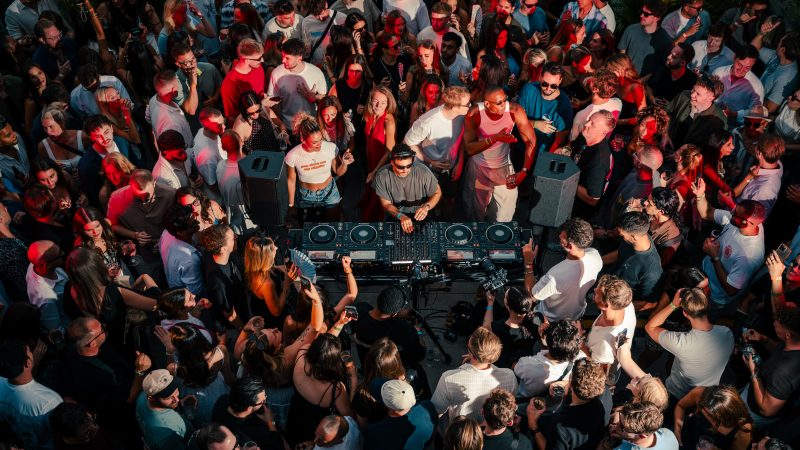
Of all the core DJ skills, reading a crowd is one of the most important and the least discussed. DJs talk plenty about gear, mixing, or the quality of soundsystems. But the art of knowing what the dance floor needs next? Much less so.
This is probably because reading a crowd is often not a conscious process. If you asked a DJ in the middle of a great set why they selected their last track, they might shrug and offer something vague like, “It just felt right for the moment…”
However, under the hood, they’ll be making decisions through an incredibly complex mental algorithm. It includes everything they take in from the dance floor, cross-referenced with the tracks in their crate and all the experiences they’ve ever had as a DJ. No wonder DJs don’t chat about it much.
And yet, when we asked eight DJs how they read a crowd, they each had loads to say—clear, detailed explanations of how they approach it. From what they told us, there are practical steps you can take to improve, like researching your gig, arriving early, and forming a flexible plan. But the recurring advice was to cultivate a particular state of being—relaxed, present, open, responsive but not overly reactive.
Gaining as much experience as you can is also crucial. To extend our algorithm analogy, experience gives you more data points, helping you make more informed decisions. Among the DJs we spoke to—Nastia, Mell Starr, Cera Khin, Riva Starr, Hot Since 82, FS Green, Pan-Pot, and Catz N Dogz—there are decades of experience playing for all kinds of crowds in all kinds of environments.
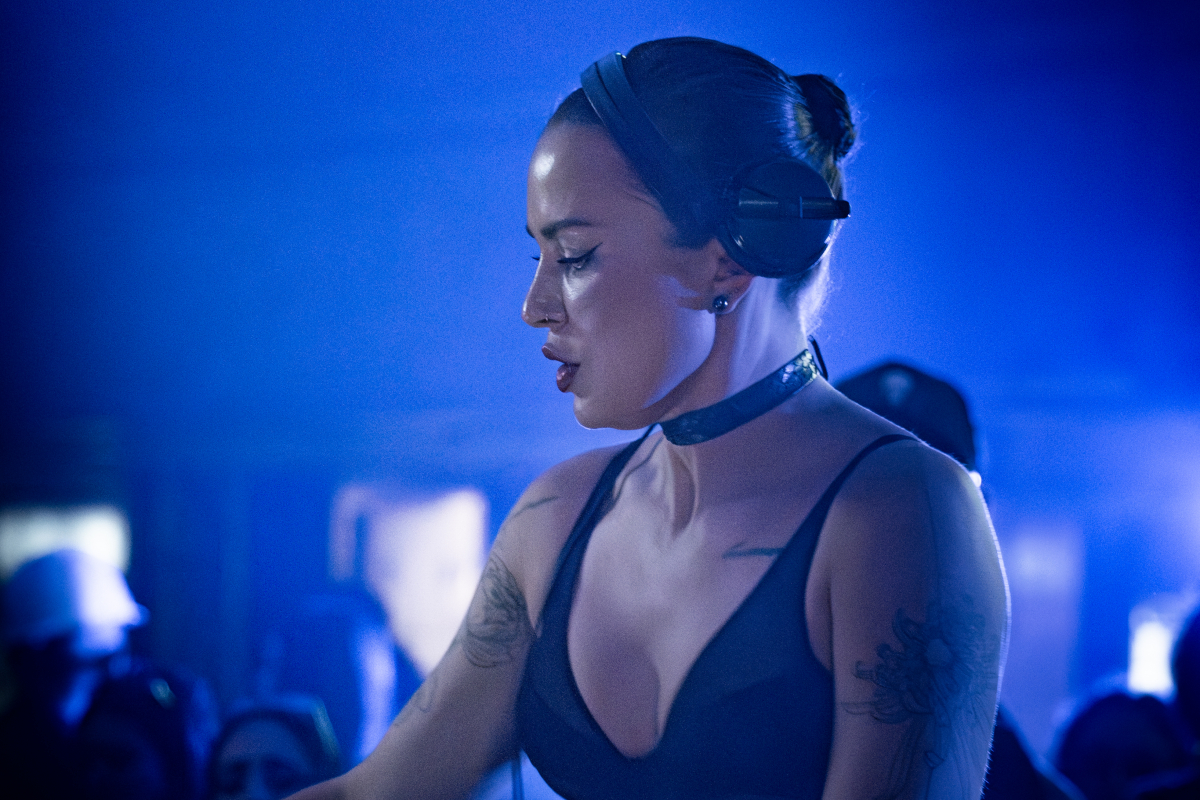
For me, reading a crowd is mostly about paying attention without becoming controlled by what you see. After so many years of DJing, I don’t really have a conscious strategy anymore because it has become instinctive. I’m constantly observing the room: how people move, how focused they are, whether the energy is building or becoming distracted.
I make eye contact with people, I respond to their signals, I am always present and open. But I also think it’s important not to react too quickly. Sometimes a dance floor needs time to understand where you’re taking it. If you change direction every time a few people leave or stop dancing you can easily lose the story you were trying to tell.
When I feel that the connection is disappearing, I usually don’t panic and immediately play something more obvious. I try to understand why it is happening. Sometimes the crowd needs more energy, but sometimes they need exactly the opposite: space, tension, a change of rhythm or something unexpected. Changing the vibe doesn’t necessarily mean going harder. It can mean introducing broken beats, changing the groove, stripping things back or creating contrast. I think one of the most important skills as a DJ is learning the difference between a dance floor that is losing interest and a dance floor that is simply being challenged.
There is always a negotiation between what I want and what the crowd wants, but I don’t see my role as giving people exactly what they already know they want. I have to meet them somewhere, otherwise there is no communication, but I also want to lead them somewhere they didn’t expect to go.
An emptying dance floor doesn’t automatically mean that you are doing something wrong, just as a full dance floor doesn’t automatically mean that you are doing something interesting. For me, the best moments happen when I can feel that trust has been established: then I can take more risks, make sharper turns and introduce music that might not have worked 20 minutes earlier. That relationship—listening to the room while still maintaining your own musical identity—is probably the essence of DJing for me.
Nastia is a DJ, producer, promoter, and label owner from Ukraine.
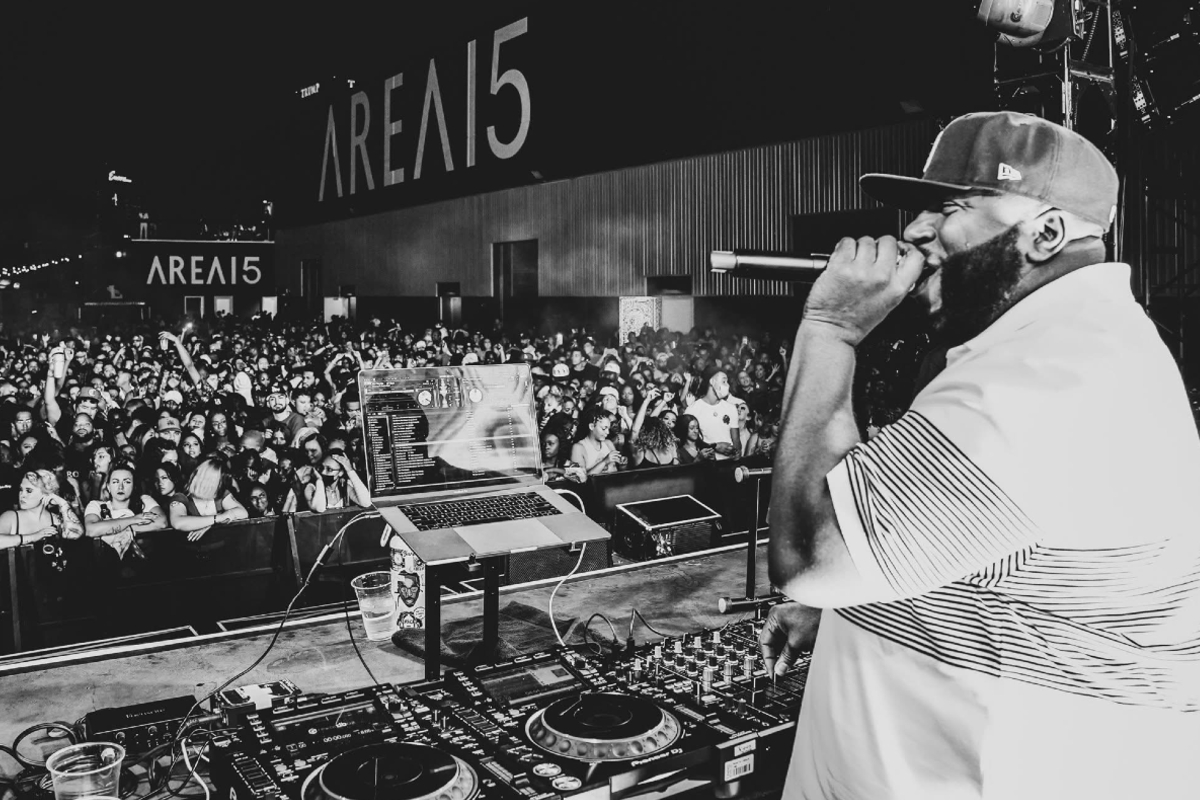
My number one piece of advice? Stop staring at your laptop and look at the people! The crowd will tell you everything you need to know without saying a word. I’m watching faces, feet, hands, who’s singing, who just walked onto the floor, and who suddenly decided they need a drink. A DJ’s job isn’t just playing great records—it’s understanding what those records are doing to the room. You’re having a conversation with the crowd through music and great mic interaction. It’s all about the energy. Your energy.
I work 10 records ahead, at least. Mentally, ask yourself: what’s happening right now? Where can I take it next? Do I build it higher, let it breathe, or completely surprise them? DJs tell a story. You need an introduction, tension, surprises, a strong ending.
Some people need preparation; my preparation is reading the room, looking at the demographics, and finding a song that meets everyone musically. My favorite is stopping the music and creating a moment with the “Fly Me To The Moon” acapella by Dean Martin, which resets the entire room.
How can you tell when it’s time to switch up the vibe? Oh, the crowd will definitely let you know! When people stop dancing as hard. Conversations start in the middle of the dance floors. Interacting with the people on the mic has stopped. Phones start coming out. People begin looking around the room. Either your set has bombed or your pre-planned performance has failed. Or you simply got too comfortable doing hookah, drinks, and creating social media content while doing ya job.
If the energy keeps dropping the crowd is silently speaking to you. An experienced DJ will always be aware of a room when it starts to fade. That’s when I change the rhythm, change the era, change the genre, or hit them with something familiar that makes everybody go, “OOOOHHHH!” When you hear that reaction, you know you found the door back to partying!
What do I do when a dance floor is emptying? First thing is don’t panic! Every DJ has watched a dance floor disappear at some point. You can either get nervous or get curious. Read the room again. Did you go too deep? Too new? Too fast? Did you stay in one pocket too long? Get to the emergency Crooklyn Clan party records. Reset! Give them something recognizable, something with emotion, a groove they know, or a record where the first few seconds make people turn around and say, “Wait a minute!” One smart record at a time can reset an entire room.
If you only play what you want, you might as well stay home and DJ for furniture. Your job is to meet the crowd where they are and then take them somewhere they didn’t know they wanted to go. That’s the art of DJing. Your job is to remove your day-to-day, family, children, and any issues of any sort, and give them a moment to release and feel free, then your trust is earned! Then introduce something they didn’t expect. If I earn your trust, you’ll follow me deeper into the music. That’s when DJing becomes special. There is never a need to fight the crowd or to surrender. Again, you are the teacher in the classroom. Your job is to be creative, fun, impactful, and interactive, while curating and giving a lesson!
Mell Starr is an American DJ, turntablist, and producer.
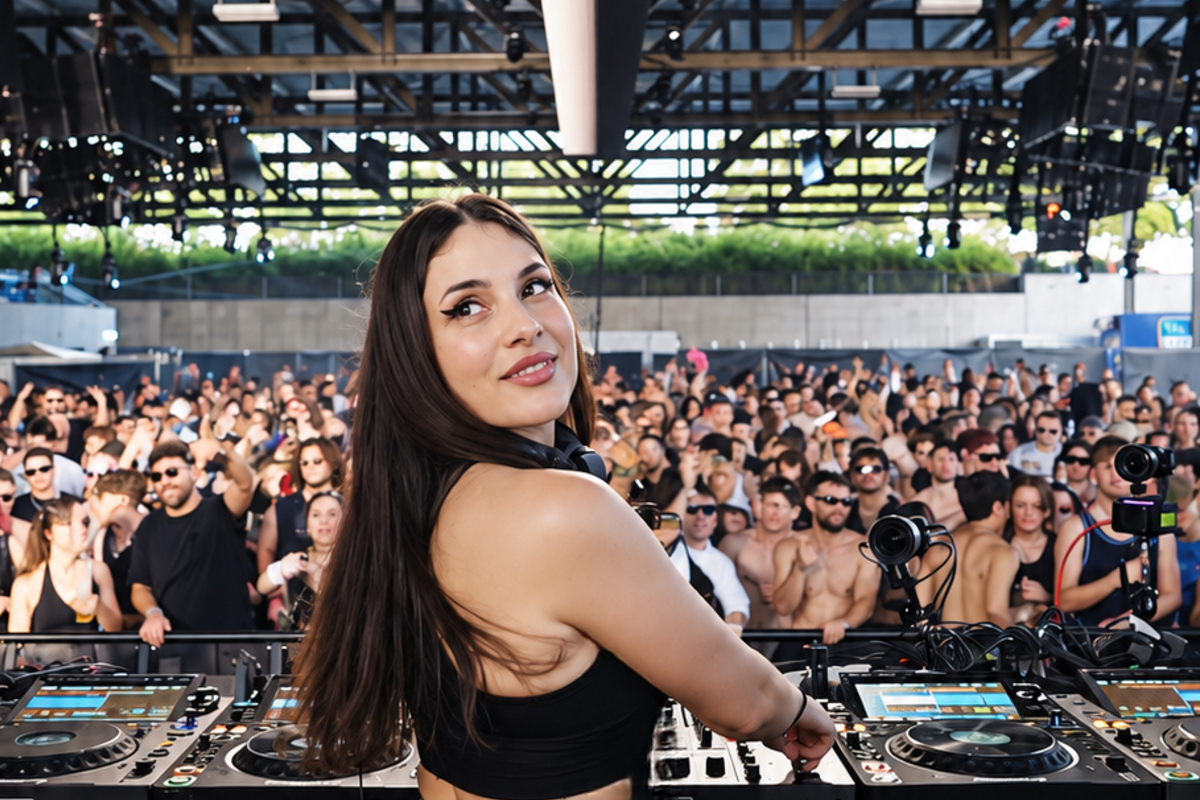
My number-one piece of advice is to be present and grounded. Before you can really read a dance floor, you have to arrive mentally and be fully connected to your surroundings. I like to almost take a mental screenshot of the room—look around, feel the energy, observe how people are moving and interacting.
If you’re an empathetic person, that can make it easier because you can pick up on the energy of the crowd quite intuitively. But ultimately, it’s about paying attention. Don’t get too lost in your own head or in your preparation. Be present enough to understand what the room is giving you, and then respond to it.
For me, it starts with grounding myself. When I arrive, I like to take a deep breath and really arrive in the space. Sometimes I’ll even take a couple of minutes to breathe or meditate before playing, just to clear my mind and bring my attention back to the present. The goal is to make sure my attention isn’t scattered. Once I’m fully present, I can connect much more easily with the environment, the people, and the energy of the room. I think that mental preparation is just as important as preparing the music.
I usually start by giving the crowd something and then seeing how they respond to it. For example, I might start with something bouncy or some hard groove, and then I’ll observe whether people are asking for more intensity—are they dancing harder, becoming more energetic, or responding more strongly to certain rhythms?
Because I’m quite an eclectic DJ, I have the freedom to move in different directions. If I feel that the crowd wants something harder, I can gradually increase the BPM and intensity. But sometimes the opposite is true. Sometimes people just want to float with the music, and there’s no reason to push it harder.
For me, the important thing is not to follow a formula, but to observe what the people in front of me are actually feeling. Every crowd is different.
What do I do when the dance floor is emptying? This happened to me a few years ago when I was playing at a big festival and I was clashing with one of the headliners. At the beginning of my set, the room kind of emptied, and of course, for a moment, I was like, “OK, fuck,” and I panicked a little bit. But then I reminded myself that this can happen, especially when you’re playing at the same time as a big name. People might simply want to see that other artist, and it doesn’t necessarily mean you’re doing something wrong.
So I just stayed calm and kept playing. I got into the flow and trusted what I was doing. After around 30 minutes, I looked back and the room was completely full again. Therefore, I think the biggest advice is: don’t panic. A dance floor is constantly changing. Just keep playing, stay connected to your music, and trust that the room can come back.
I think the key is to give the crowd enough of what they want so that they feel connected to you, but not so much that you become predictable.
For example, if the crowd wants to dance really hard, I can give them that energy, but I can still play with their expectations. I might suddenly drop a breakbeat, change the rhythm, or take the music somewhere they weren’t expecting. I am not a people pleaser. For me, being a DJ is also about taking risks and engaging with your creativity. If you only follow exactly what you think the crowd wants, it can become boring—not only for you, but eventually for the audience too. The fun is in creating that balance: giving people something that feels familiar and safe enough to connect with, and then surprising them.
Cera Khin is a Tunisian DJ, producer, promoter, and label owner.
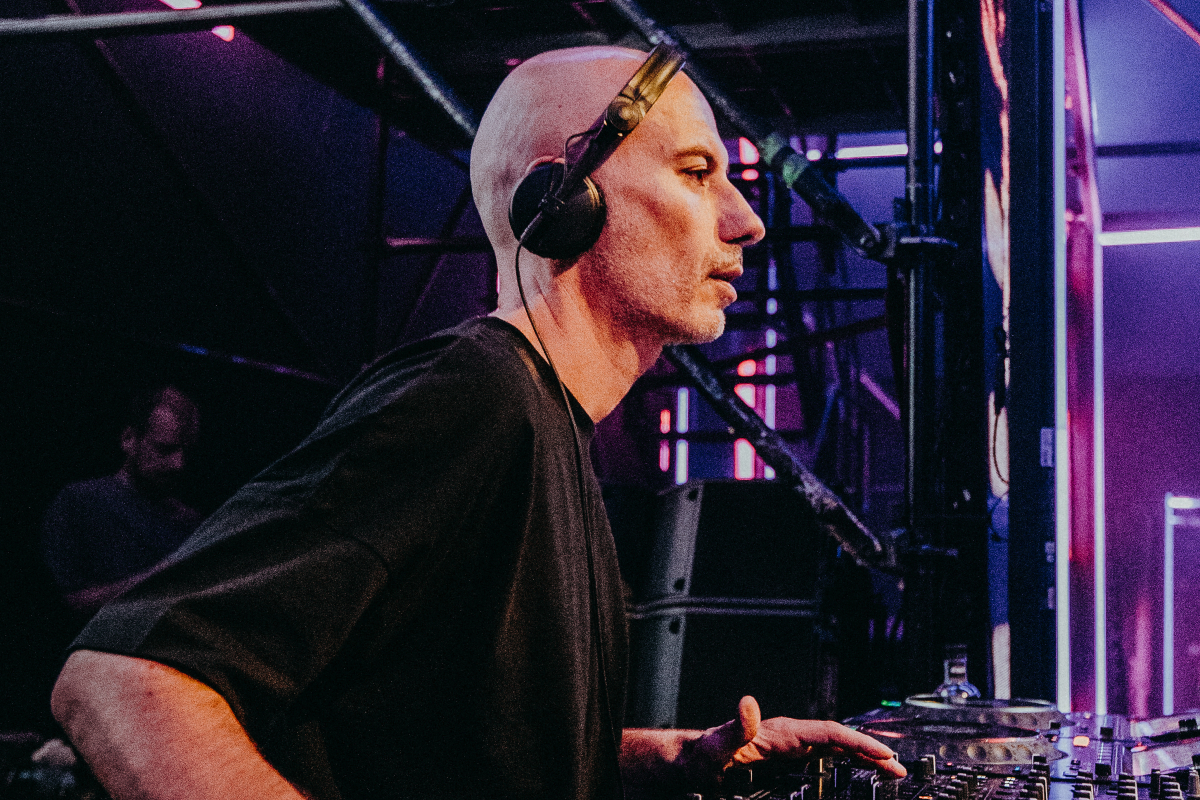
Play to as many different crowds as you can—that’s how you learn to read a dance floor. I actually learnt a lot of that from playing birthday parties as a kid: completely mixed crowds, and you had to figure out how to get everyone dancing all the way to the final cake… otherwise the club owner wouldn’t call you back!
If my dance floor is emptying, I first try to understand why. Is what I’m playing too heavy, too soft, too fast, too slow? Then I’ll test a couple of different vibes and see where I get the strongest reaction. There’s only so much you can do without compromising your style, but it’s always worth trying to find that sweet spot where the crowd and your music meet.
I have a little “jolly” folder where I keep all my special edits—tunes I’ve carefully crafted for those tougher situations, where I need to give the crowd what they want without compromising my style. And then I have another folder of special digs: records that, for some reason, seem to work in almost any situation. My little magician’s hat!
Riva Starr is a DJ, producer, and label boss from Italy.
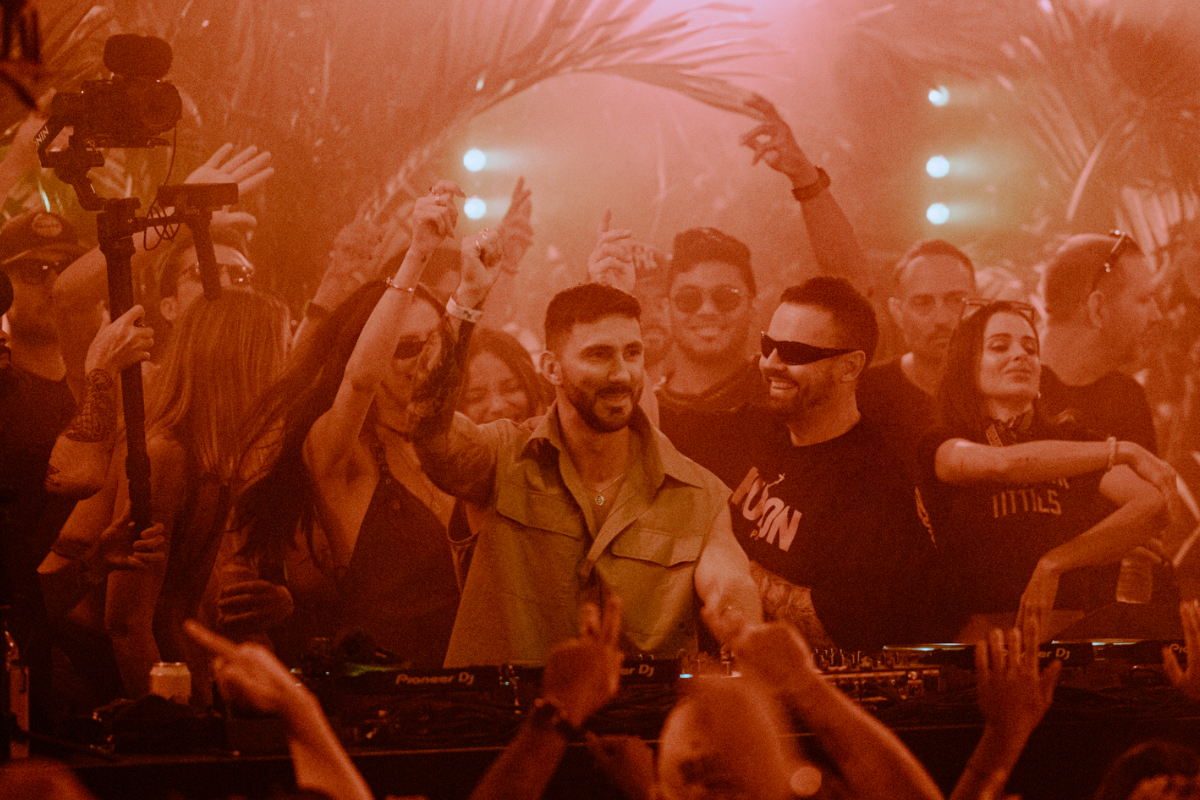
I mean, ultimately, I’m getting booked and I’m getting paid to make people dance, so I’ll move around as much as I can until the dance floor starts moving. It usually starts with making the girls dance. If you’re making the girls dance, then we have a party.
I don’t get to the show way too early. I know some people like to get there early and feel the crowd out, but I think if I arrive too early I overthink. I overthink it too much and kind of lean towards transitioning too well from the other DJ, when realistically I just want to go and do my thing. So yeah, I try to get there as late as possible so I’m not overthinking the set and worrying about what the guy played before me.
I always say that I like to warm up for myself, so I always start a little bit slower, and then if I’m doing a good job in terms of warming it up, I know I can read the crowd well enough to know, right, it’s time to turn it up now. And it’s just that feeling you get as a professional DJ, I guess.
What do I do when the dance floor is emptying? I test out some records I’ve never played before, maybe some of my own productions sometimes, or other times you have to go into the classic folder and find something that’s a bit more accessible, I guess. Maybe vocals, they always go down well.
I think if you’re playing good enough records and you’re working the floor well, you can pretty much drop what you want. But you can’t do that in any other set. You’ve got to really work it, plan it, and that’s what makes a good DJ from a bad DJ.
Hot Since 82 is a DJ, producer and label owner from the UK.
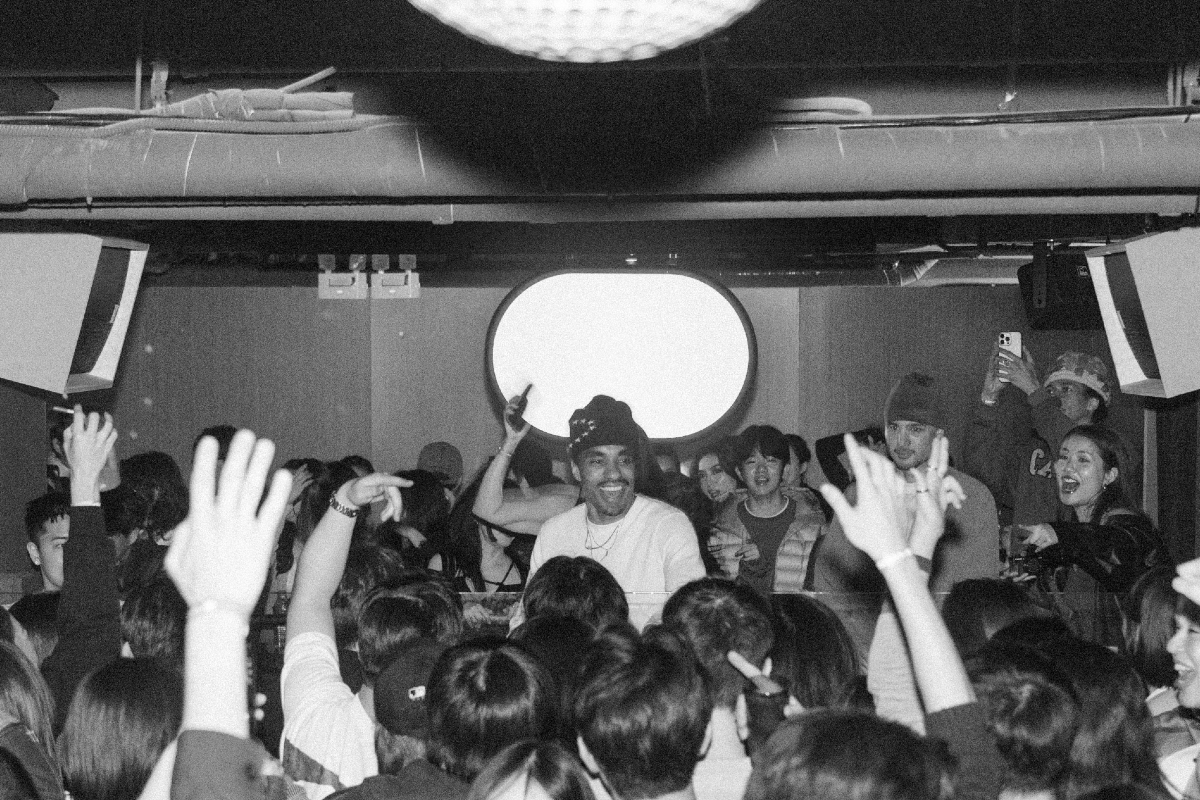
For me, reading the crowd starts before I play. During the DJ set before me, I’ll check how people react to different tracks and moments. It gives me an idea of what kind of crowd I’m playing for and what might work. I’m also looking for things that might be missing and that I can bring into my own set.
Once I’m playing, I’m constantly looking into the crowd, especially at the people or groups having the best time. I feed off their energy and sometimes point at them to let them know I see them. That connection is really important to me. I want the crowd to feel that I’m there with them, not just playing at them.
I like to plan ahead. I’m not just thinking about what the next track is going to be. Sometimes I’m already thinking five tracks ahead and figuring out how to get there. It can feel like a puzzle in my head. If I know I’m going to play one of the biggest tracks in my set in 10 minutes, I can use the tracks in between to build tension and take the crowd somewhere else first. It’s kind of a fun mind game I play with myself.
Because I play at quite a few different tempos, I can usually tell when I’ve stayed in one tempo for too long. If I notice people starting to move less, that’s usually a sign that it’s time to switch things up. Sometimes that means bringing more energy, but sometimes it’s about slowing things down and giving the crowd a moment to breathe. I’m basically trying to feel what the crowd needs at that moment and adjust from there.
An emptying dance floor can mean a lot of different things. If I’m playing late at night, it might simply mean people are ready to go home. At a festival, there could be a bigger act starting on another stage. I try not to stress about it too much. I’d rather focus on the people who are still there and having a good time. Musically, I’ll respond to the energy I’m getting from the people who stay, rather than trying to force the ones who left back onto the dance floor.
I’ve always seen DJing as a 50/50 balance. You have to give people what you think they came to hear, while also introducing them to things they might not know yet. I think reading the crowd doesn’t always mean reacting to them. It’s also about knowing when to take the lead and trust your own instincts.
I’ll use tracks I know the crowd will respond to as a bridge to play something they might not have heard before. In a way, that also builds trust with the crowd. If I take them somewhere deeper for a moment, they know there’s going to be something familiar around the corner. If you play something new with confidence and genuinely enjoy it yourself, people are much more likely to go along with you.
FS Green is a Dutch producer, DJ, and label owner.
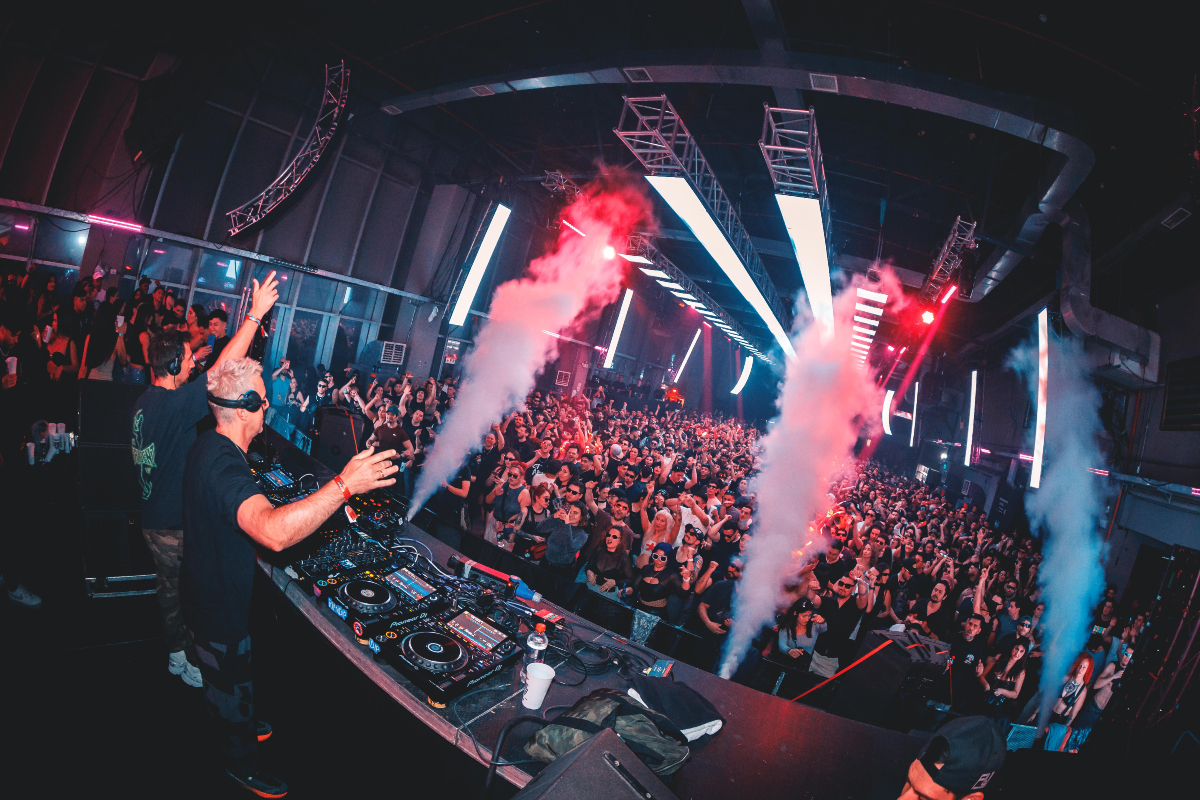
Our advice is to pay attention to the whole room, not only the people in the front row. The front is usually the most enthusiastic part of the crowd, so it can give you a distorted impression. Look toward the middle, the back, the bar, and the edges of the floor. Are people moving closer? Are they staying engaged between transitions? Are conversations stopping because attention is shifting toward the music?
Reading a crowd is really about recognizing changes in collective behaviour. One reaction to one track tells you very little; a pattern across several tracks tells you much more. You have to remain observant without becoming reactive to every small movement.
We try to think in chapters rather than individual tracks. Every track has a purpose: it might build tension, release it, create space, introduce a new texture, or prepare the room for a change in direction. While one track is playing, we are already considering what the room may need two or three steps later.
It is also important to keep some emotional distance. If a transition does not produce the reaction you expected, do not take it personally or panic. Observe what happened, process, and make the next decision calmly. A DJ who becomes insecure often starts changing direction too quickly, and then the set loses its narrative. This happened to us too, so that’s something you need to learn.
The clearest signal it’s time to switch up the vibe is when the crowd is still dancing but no longer progressing emotionally. The floor may remain full, yet the movement becomes automatic: people look around more, return to their phones, begin talking, or stop reacting to tension and release. That usually means the music has become too predictable, or that one particular energy has continued for too long.
Switching the vibe does not always mean making a dramatic genre change. Sometimes one unexpected vocal, a more stripped-back groove, a warmer bassline, or a moment with less intensity is enough to reset people’s attention. Contrast is very powerful. If everything is peak time, nothing feels like a peak.
If a dance floor is emptying, we first try to understand why. A floor can empty because the energy has dropped, but it can also empty because the music became too aggressive, the groove disappeared, the room needs a breath, or simply because it is a natural moment in the night. You should not automatically respond by playing a sure-shot track you have.
Usually, the best response is to simplify. Re-establish a clear rhythm, give people something physical and easy to understand, and rebuild trust gradually. We might reduce the density, bring back a stronger groove, or play something with a recognizable emotional quality. Most importantly, we avoid chasing the crowd with abrupt changes. Desperation is audible. A calm, intentional correction is much more effective.
A good set exists in the space between what the crowd wants and what we want. If you play only what you want and ignore the room, you are not really communicating. If you play only what you believe the crowd expects, you lose your identity and the set becomes predictable.
The goal is to understand what the audience is ready for and then lead them slightly beyond it. Give them enough familiarity to establish trust, but enough surprise to make the experience memorable. Sometimes you follow the crowd, sometimes you challenge it. The art is knowing when you have earned the right to challenge it.
For us, DJing is not about controlling a dance floor or obeying it. It’s an exchange. The crowd gives you information, you answer with music, and the night develops through that conversation.
Pan-Pot are DJs, producers, promoters, and labels owners from Germany.
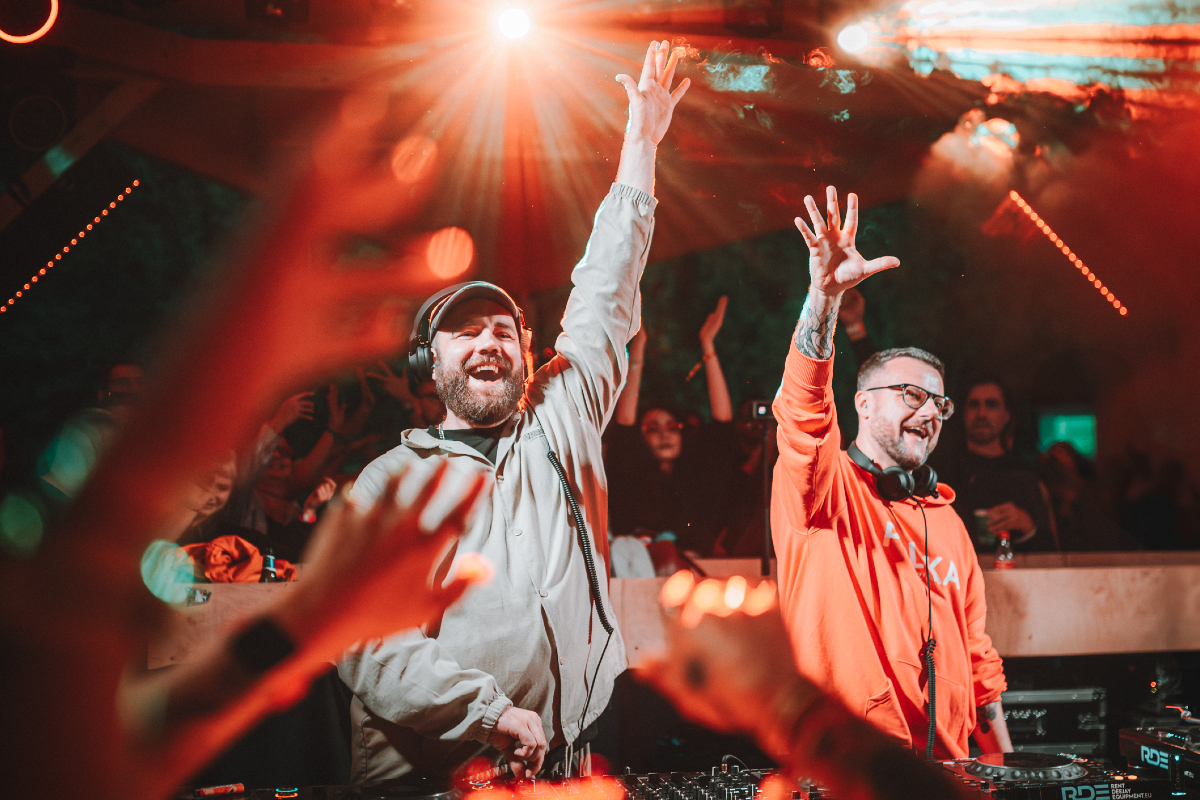
For us, DJing has always been the most important thing, it was our ultimate dream. When we first heard this music in the ’90s, attending huge raves and partying in small clubs, we knew we wanted to be a part of it and to play our favorite tracks and produce the music we love.
So our number-one piece of advice for reading a crowd is that you have to be a part of it. We spent years in clubs for the music, the people, and the atmosphere. Staying from the beginning until the very end. Later, when we started throwing our own parties and DJing in other clubs, reading the crowd became second nature. Of course, you make a lot of mistakes when you start, but those mistakes build you up and make you stronger.
Mentally, it’s important to take risks and surprise the people and mix in something they didn’t expect, then play something they really want. The best feedback we ever received was: “I never expected I would dance to this kind of music, but I love it.”
To feel the vibe, we watch the people before we even start. It’s easier in clubs we’ve played before where we already know the energy. Once we get a sense of the mood, we have the idea in our heads what we want to do, we test it out for a few tracks, and then we know exactly what direction to take.
What do we do when the floor empties? First, remember that sometimes a party is just slow. Maybe there are five other events in the city that night, or something else is going on. It happens to everyone, and the best strategy is to not take it personally. If the dance floor empties because half the club went out for a smoke, we use that time to play the music we truly love, test out new tracks, and focus entirely on those one or two people who are out there because they came to hear good music.
Balancing what the crowd wants with what we want comes down to our mission as DJs: to make people happy, make them dance, and help them discover new music. Sometimes you can see that the crowd wants commercial music, but you can still deliver it in your own special way. We might play a cool edit, or take a really underground track that nobody knows and drop a recognizable acapella on top of it. We love to experiment with that balance, and most of the time, it pays off perfectly.
Catz ‘n Dogz are a Polish duo who DJ, produce, run labels, and promote events.
Text: Ryan Keeling