Do you decide what you’re going to open with when you arrive at the venue?
I usually have the first five tracks, maybe, and a couple of options for the intro. I always look at what’s going on on the dance floor and who is playing before me. Because I already have a lot of experience, I can usually guess what the energy is going to be like on the dance floor. I can prepare in my mind whether I’m going to play something more intense or more housey. Then, depending on what’s happening on the dance floor, I shift into different moods.
But sometimes you think it’s going to be one way, then you arrive at the venue and the energy is completely different, so you play something else. That’s why it’s hard to prepare a full set.
I was playing on Sunday and had this conversation with a younger DJ. He was asking me about preparation and whether it was OK to prepare the full set. I said, “If you feel it’s more comfortable and safer for you to have the full tracklist, you can do that. But you can’t predict what’s going to happen on the dance floor. Sometimes you think a selection will work, then you arrive and it doesn’t work at all.”
In all your performances I’ve seen you always have an amazing energy, you’re usually dancing. Is it ever tough to maintain that gig after gig?
I play music that I really love. I choose these tracks, and I can’t stay still. When I’m recording mixes at home, I always dance and check how the vibe is going. The moment I stop dancing, I stop the recording, because there has been a drop in the dynamics. Maybe some people can stand still and mix, but I choose these tracks, I love these tracks, and I just can’t do nothing.
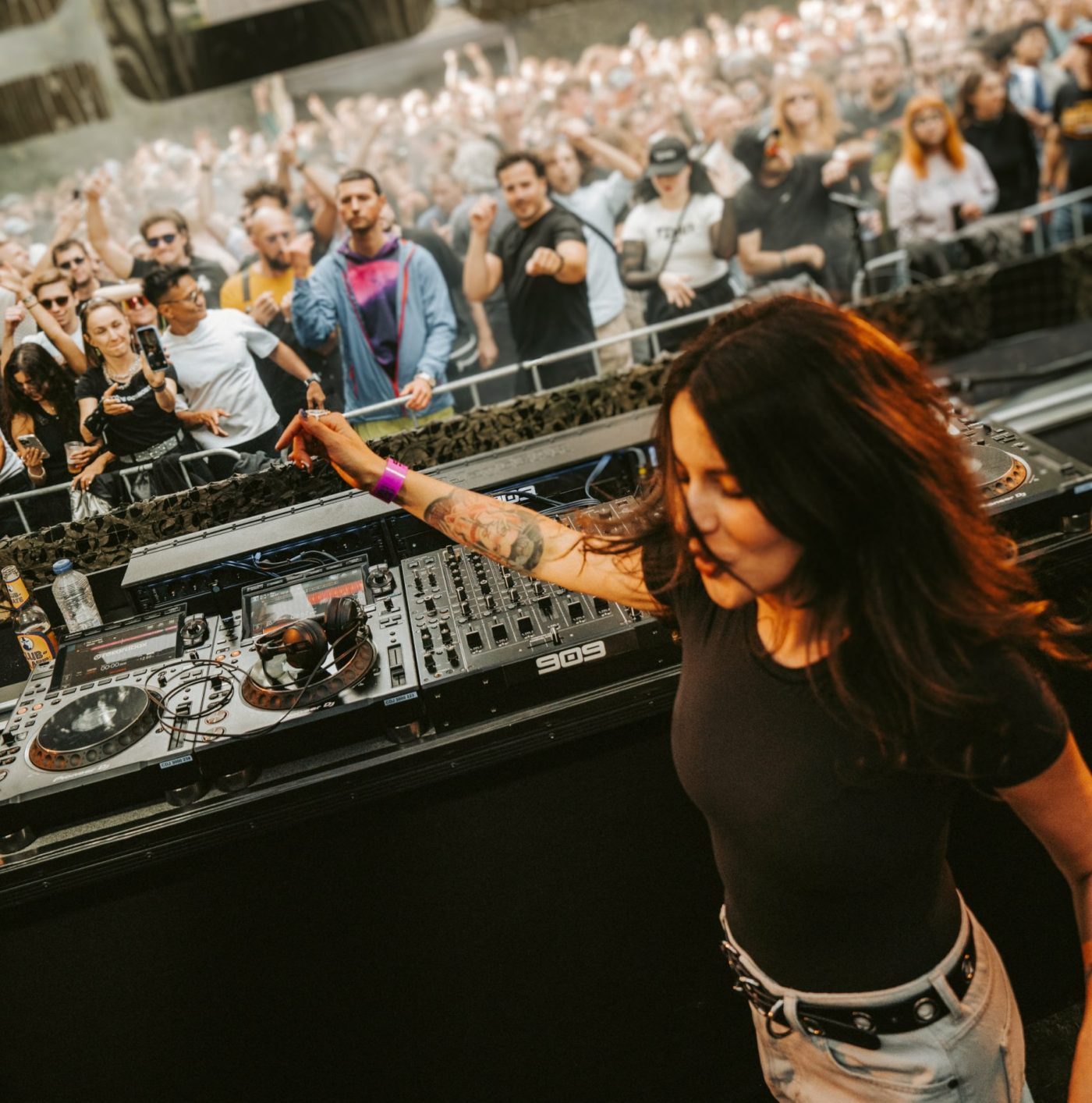
Of course, like many DJs, I’ve received comments like, “Are you a dancer or a DJ? You should dance less.” Guys, I’m playing on three decks. I do both. I’m playing on CDJs, mixing and dancing at the same time. I can do this.
It’s a strange idea that you’d have to choose. You touched on CDJs there. How does it work for you playing on three?
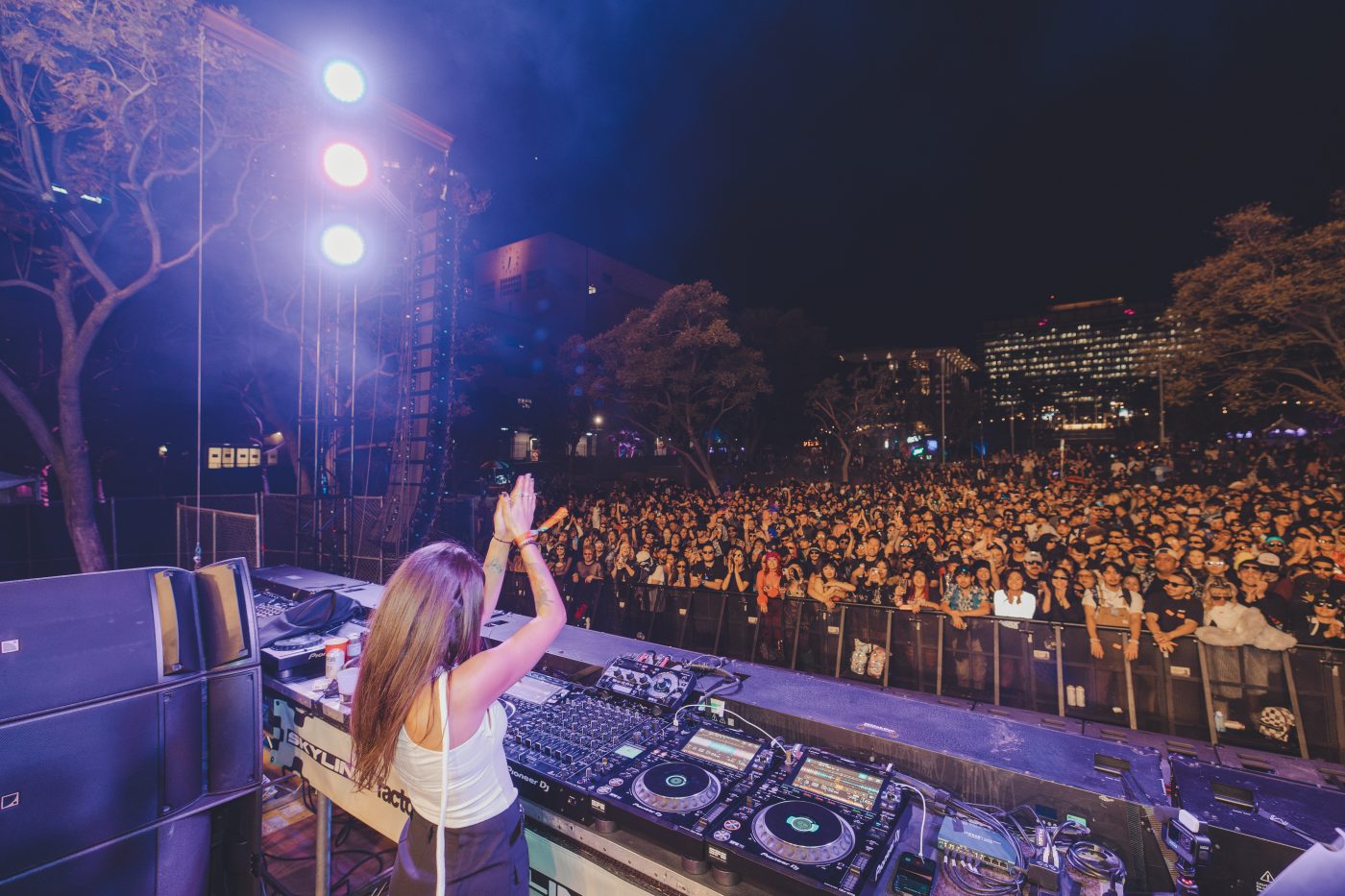
Yes, I mainly use three, and I have four CDJs on my rider, just in case. If I’m mixing and need to find something to use next, it’s more comfortable for me. I wouldn’t die if the venue only had three CDJs, but if it had two it would be more difficult.
I use a lot of acapellas. I also use a lot of tracks that I can combine with different genres, so it becomes something different, basically like an edit. I might take a part from a techno track and use a loop with just the beat, then use something from house or another genre and mix them together.
Or, if I’m playing techno, because it’s more loopy music, some tracks sound good when you layer them together. I use a lot of loops. I also prepare a lot of Hot Cues and auto loops, which are perfect, especially when you’re playing on three decks and know that you need to loop a particular section.
Auto loop saves me every time. Recently, I’ve started using Hot Cues less. If I need to jump from one part to another, with the CDJ-3000 I’ve started using Beat Jump a lot. It’s more comfortable for me to use Beat Jump if I need to skip some sections or jump to the part I need.
What drew you to using the DJM-V10?
I was a big fan of Xone mixers, I won’t lie, because I never liked three-band equalisers—when you cut the lows, it also cuts a bit of the mids.
When Pioneer DJ announced the V10 and I tried it for the first time, the four-band equaliser worked completely differently from previous models. I really loved it. I also loved that it has effects built in, so you don’t need to use your pedal or travel everywhere with extra equipment.
When I saw it for the first time, I thought, My God, it’s huge. Why do you need so many things? Then I tried it for the first time, and later tried it somewhere else, and I realised that it was actually more comfortable for me. I could do more things.
Now I just can’t imagine playing on a Xone. Well, I can play on one but there are still a lot of things missing for me.
Do you use FX much in your sets?
I usually use reverb and echo. I love that you can use two different FX at the same time on the V10, because you don’t need to switch from one thing to another. I use both: I always have reverb on the left side, and I mostly use echo on the FX unit.
What do you tend to use reverb and echo for?
It gives more intensity to the breakdowns, for example. I mostly use it during breakdowns to give them this feeling of a big moment. The tracks I play sometimes have long breakdowns. I love long breakdowns, that moment of waiting for something big to come. It helps me create more intensity and tension.
What is your music discovery process like?
For discovering music for DJ sets, I usually use Bandcamp. I use Beatport for older music. For example, I check for ’90s and early 2000s releases because I play a lot of music from this period. I used to check Juno Download but they closed recently. I was surprised because they had a lot of music that wasn’t on Beatport.
I also buy records, even though I don’t play many records right now, because it’s always a pain in the ass. I have a lot of respect for vinyl-only DJs, because they carry their record bags all over the world, and then they might arrive, play their first record and realise it’s going to be the last one because the player isn’t prepared properly for vinyl. It’s already a stressful job, and I don’t want any extra stress.
I’m still buying records. I might buy them at a record store or on Discogs, then rip them at home so I have a digital file. I also receive a lot of promos from DJs, either through Instagram or email.
Or this new thing called Exibeat. It’s a new platform for promos where you can send and share promo music. Another good thing about the platform is that you can pay for unreleased music, which is really cool. Usually, DJs send their unreleased music and basically get nothing from it. Here, if you like the track you can support it. Of course, you can download it for free, but I always buy it because I want to support the artists.
I really love this platform. It’s not that big right now, but it’s still growing, and I hope that more DJs will use it at some point.
What ratio of old to new music do you tend to play?
I think I play maybe 50-50, or perhaps a bit more older music. For me, it sounds more authentic and more unique.
Now, you can see how successful tracks affect what people produce. Sometimes I receive promos from very young producers and think, Oh my God, this is so cool. It’s so fresh. Then, one year later, they send me their new music and it’s already a copy of something that became successful. They’re losing their identity. Back in the day, people were just releasing music they loved. They weren’t trying to copy each other, so all of this music was really cool.
I don’t see that many people producing tribal techno, for example. There was a moment when this music became popular with the hardgroove trend, and a lot of DJs started producing music that sounded like the early 2000s. But that trend died very quickly, so everyone switched to another trend.
Of course, there are still some DJs and producers releasing this music, and some labels that release it. But I still think this space hasn’t been taken. I’m thinking that maybe I should take this space, because I want to start my own label in the future. I want to create a place for this music, so producers will know where they can release this kind of material.
In what areas can you still grow as a DJ?
What I would love to improve is my production. I talk about it in almost every interview. I want to start at some point, but with this number of shows, I’m so busy and literally don’t have time for anything.
As I said about tribal techno, I don’t hear many new releases in this style that I want to play. That’s why I play older music. I already have an idea and a vision in my mind of how those tracks should sound, so I can create them. I just need more technical skills and more time. That’s what I want to improve.