Finding your flow
For NTS’s Do! You! Breakfast Show, Charlie Bones had multiple sections in his morning broadcast, ranging from live Skype calls with guests to jukebox sessions. “Charlie’s show is chaotic,” said Raji Rags in an homage to the legendary radio show after it stopped airing, “but I don’t think people really understand that he orchestrates that chaos immaculately.”
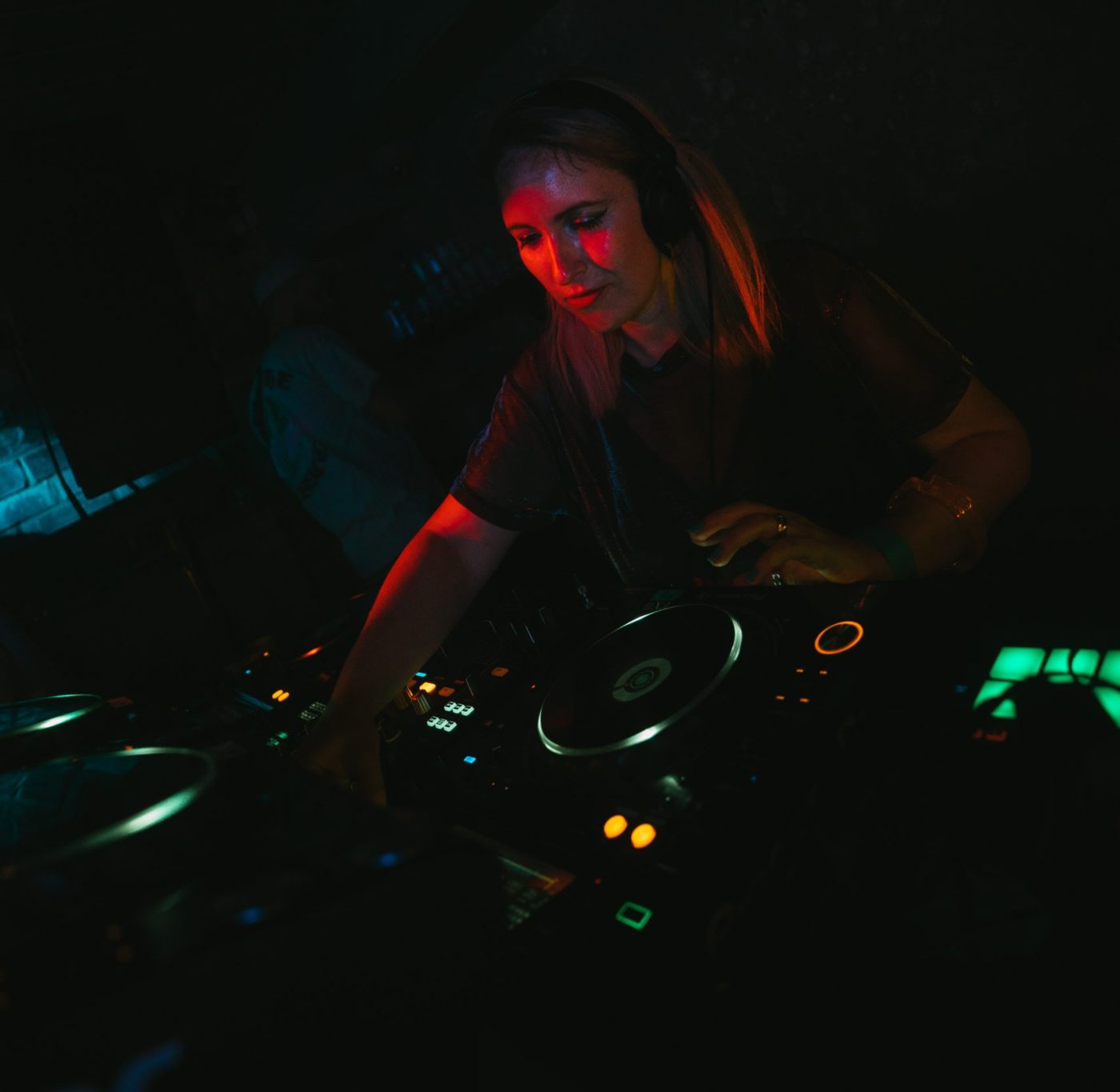
Being able to pull together a show with that much character takes practice and preparation. “The whole idea of radio is that it sounds like someone is talking to you,” said Dust. “You don’t really want to hear them reading out an essay they’ve written. But like in public speaking, to sound spontaneous you have to do a lot of prep. So whether that’s telling a story to link two tunes, or [focusing on] the sound of the records and how they mix together, I spend a long time making sure it sounds cohesive.”
In a recent Bandcamp Electronic Show, you could hear the level of detail Dust goes into: after playing a tune by Caracas’ raptor house pioneer DJ Babatr, she spins one by another Venezuelan producer, WOST, whose tune was released on Love In The Endz, a label that guested on a previous episode of the show. This leads her to introduce her current guests, Kalaf and Branko. There is always a thread between the music.
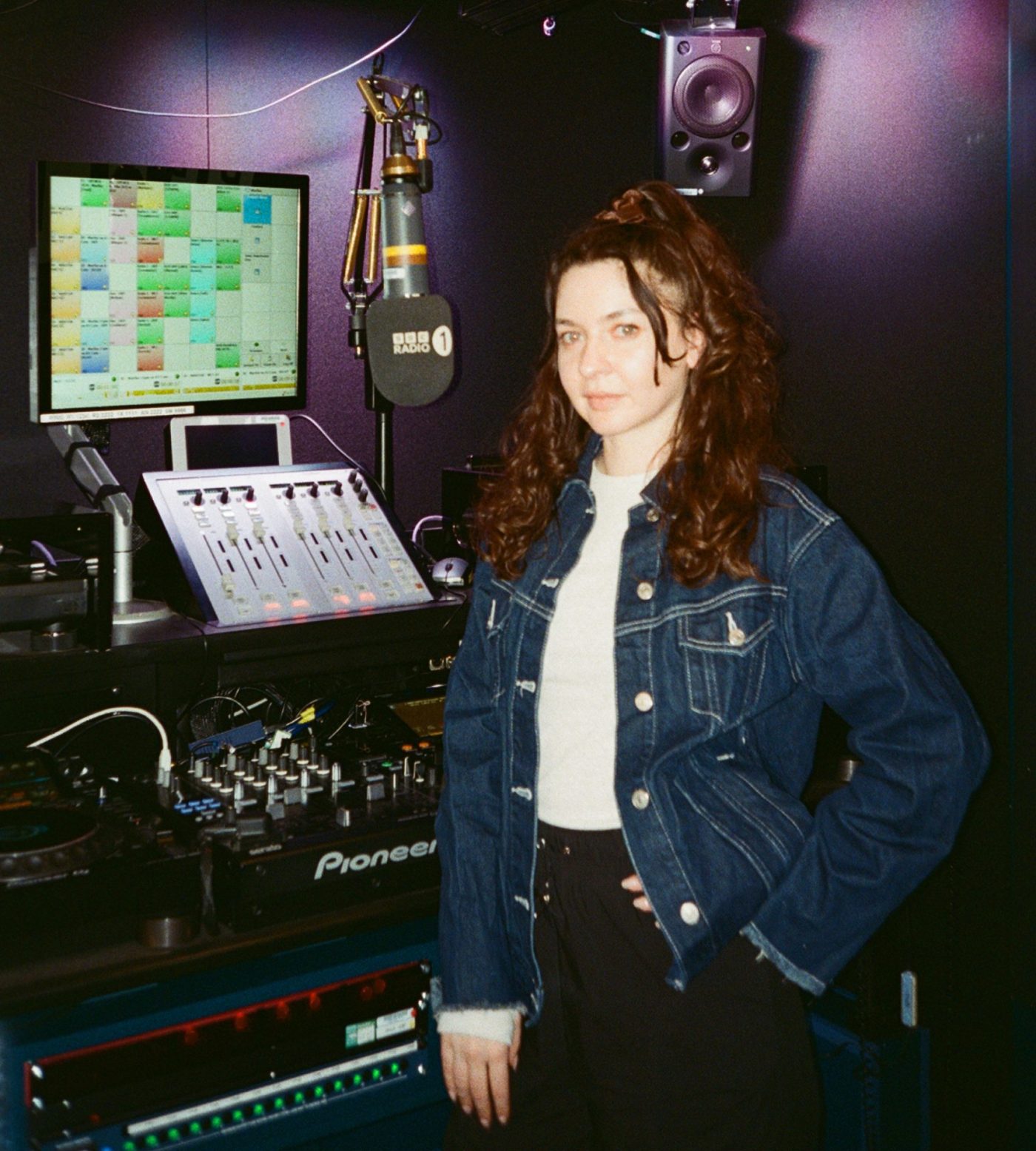
BBC Radio 1 and NTS host Martha Pazienti Caidan, better known as Martha, uses NTS Radio’s tagline to guide her track introductions. “NTS’s whole slogan is Don’t Assume,” she said. “I take that very literally: I would never want to say, ‘This is on Hyperdub,’ without giving people the context: What is Hyperdub? Why should we care about Hyperdub? Why is it important in the scene or in history?”
So rather than trying to put the music you’re playing into flowery words, sticking to facts can give valuable context to your listener while also taking the pressure off having to “be yourself”—your character will naturally shine through if you have a deliberate flow to your show and a solid bank of information to share.
Those facts don’t always have to be the same run-of-the-mill stuff. Martha, who came up through Reprezent radio and now runs the Radio 1 Dance UK Club Show, remembered tips she picked up from working with Annie Nightingale: the late BBC radio host would get Martha to find her no more than three facts about the artist whose music Annie was playing. “She would always want something quirky about them,” Martha said, “and she loved it when the artist had a [day] job. She thought that made them so interesting.” And if you don’t have anything prepared, there are always simple IDs. “IDs are basically my love language,” said Martha.