Daria Kolosova: “You can’t predict what’s going to happen on the dance floor”

The Ukrainian techno artist discusses the techniques, gear, and personal history that shape her high-energy DJ style.

Listen to this article, written by Bridge editor Ryan Keeling

As someone who spent almost a decade building her career before exploding onto the international techno scene, Daria Kolosova has a pretty clear perspective on the pros and cons of success. 

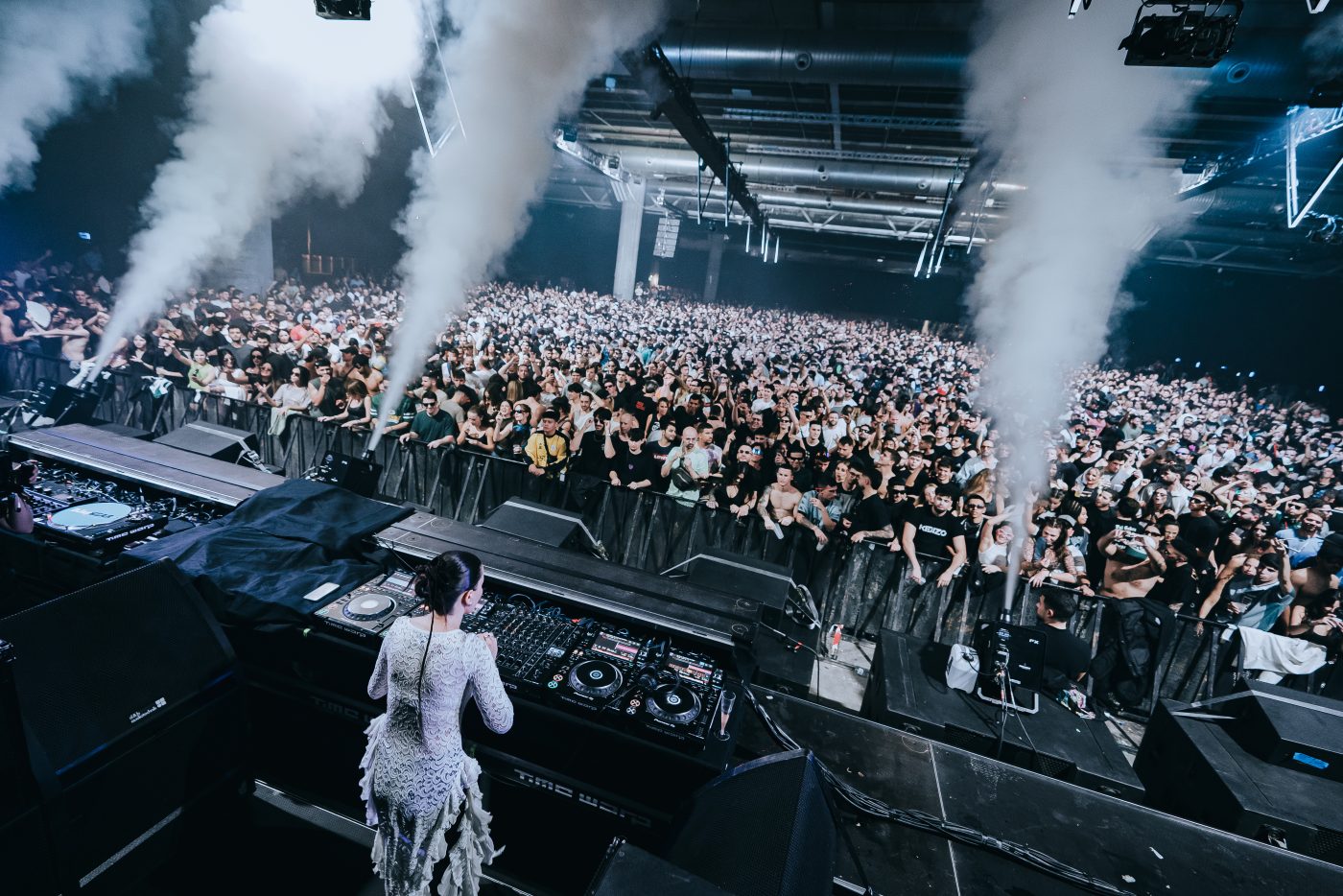
When I reached her at home in Berlin earlier this summer, the subject of musical freedom as a DJ was never far from the conversation. She’s been able to reach more people than ever with her groovy—and frequently fun—take on techno. But she’s also aware that big DJ bookings often come with expectations. “When I’m playing every weekend on big stages, in the main slot at prime time, I feel this pressure to play a specific thing and deliver a proper banging set,” she said. 

Coming up through the electronic music scene in Ukraine, Daria played all kinds of uptempo club music. “When I was a resident DJ, I played completely different things,” she said. “I played opening sets, closing sets, afterparties, and warm-ups. I was more diverse musically as a DJ.” 

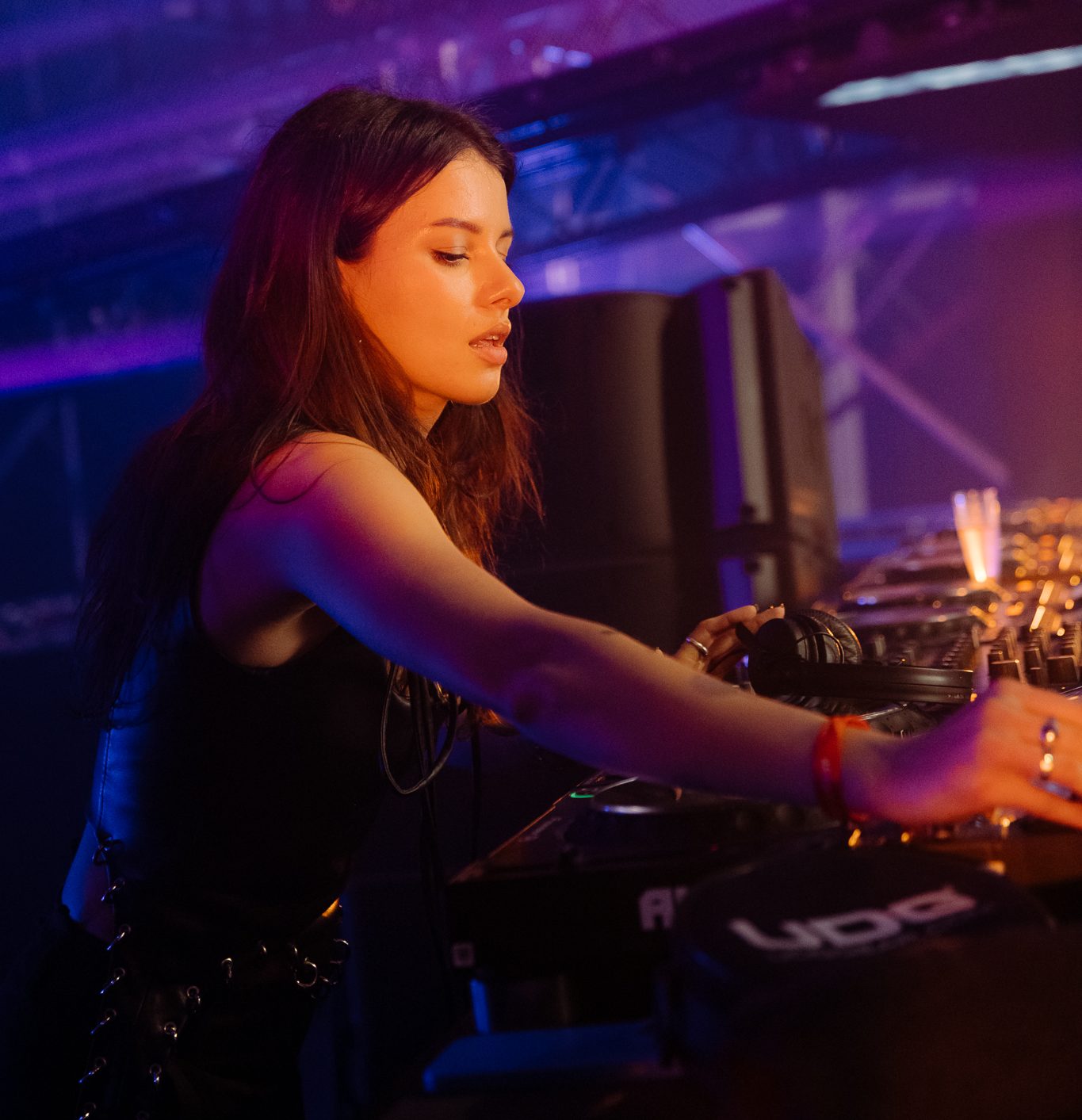
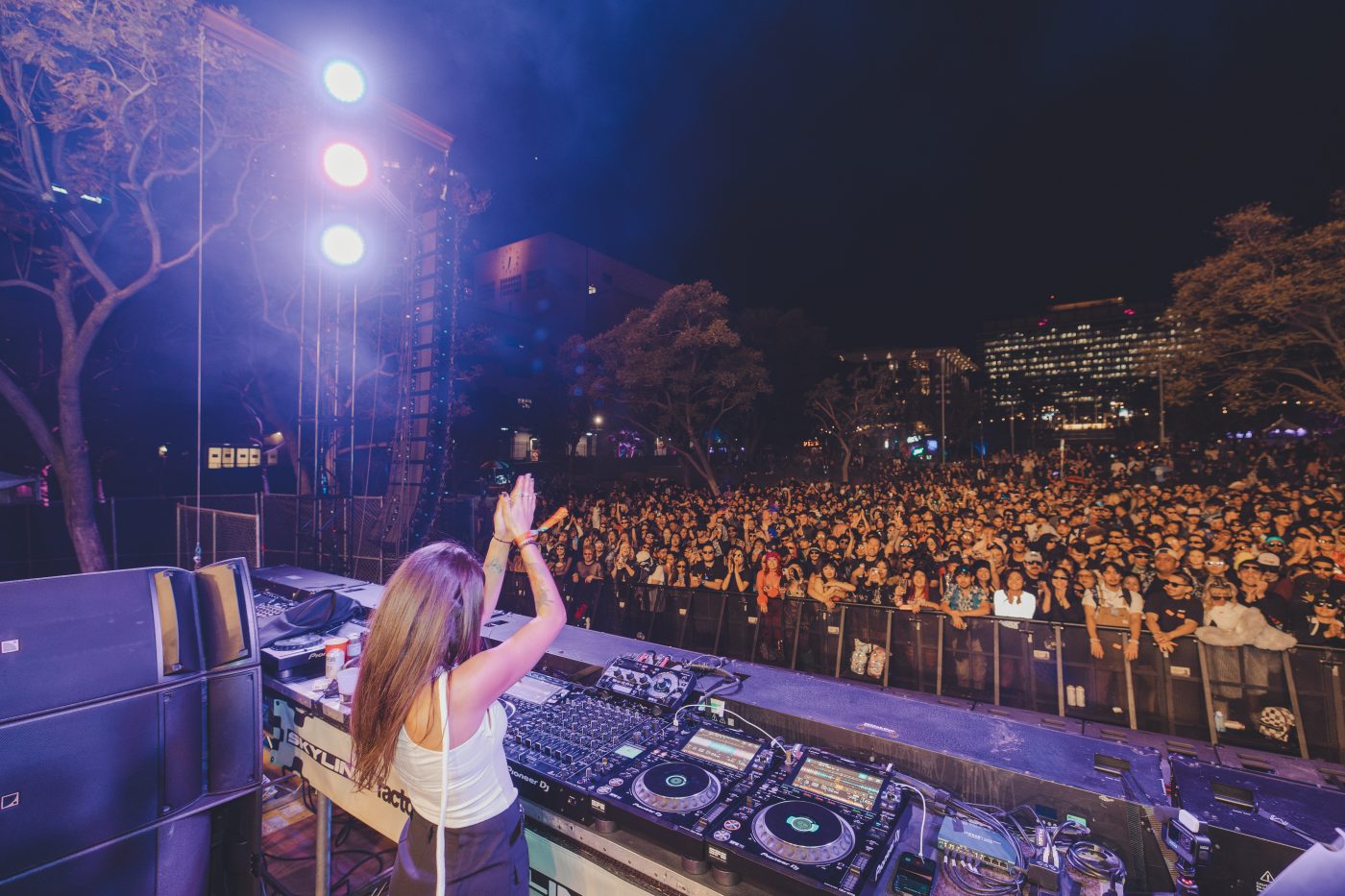
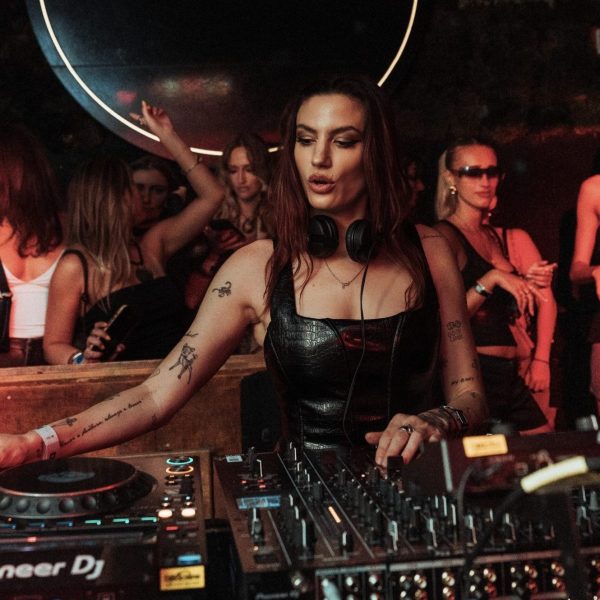
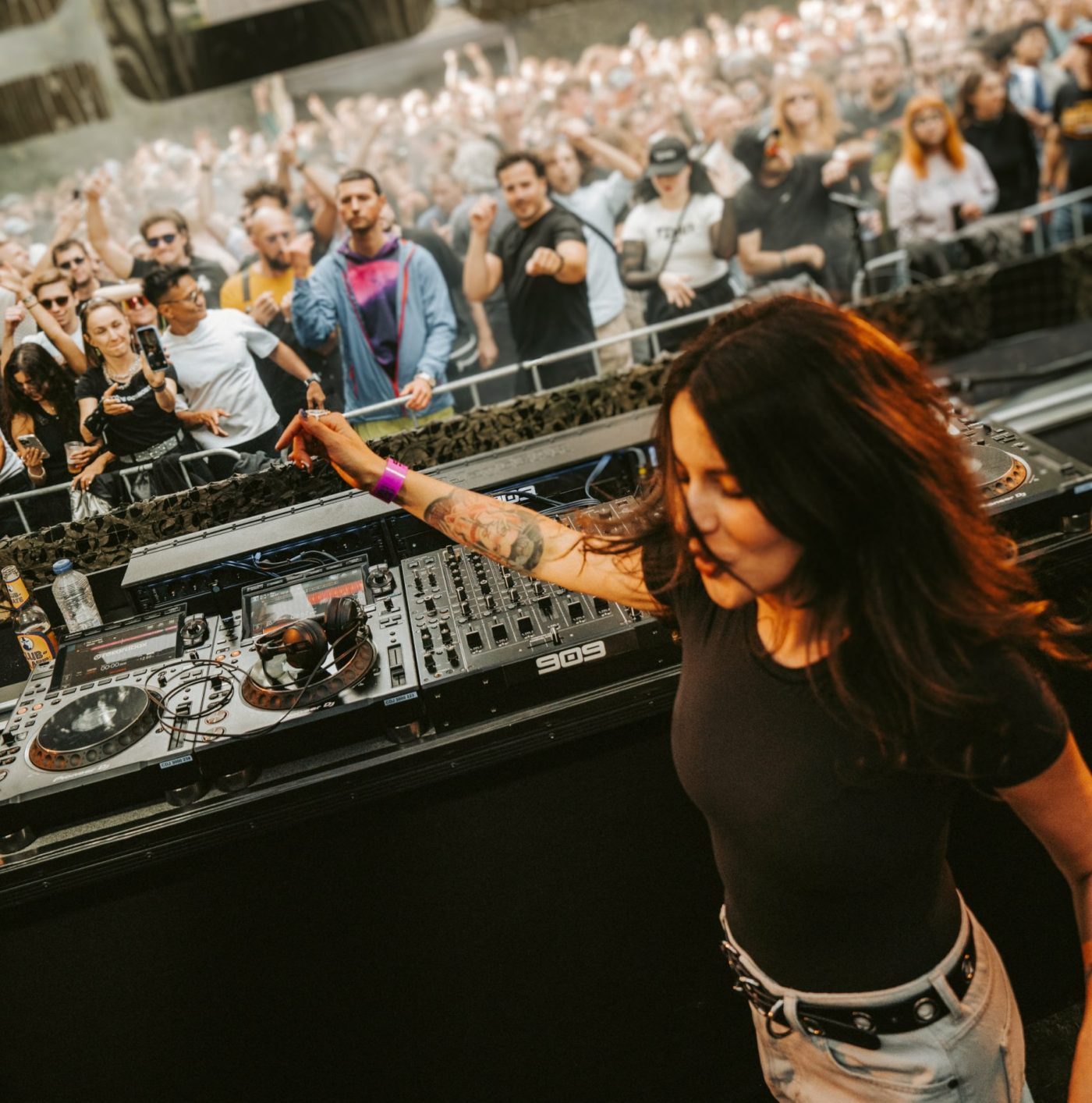
These days Daria’s mission as DJ is basically to bring as much of that freeranging spirit into her sets as possible. If you’ve caught her at one of the many leading clubs and festivals she regularly plays, you’ll know that she pursues that mission with relentless energy. She glides across three CDJs in the mix, and is usually dancing just as hard as her crowd.  

As you’ll see below, while Daria feels that aspects of the DJ life like social media and travel can be complicated, in the booth she sees her role as being much more simple and powerful—or “shamanic” to use her own words.

Photo: @workbyphotofelix

It seems like your gigs and travelling have massively ramped up in recent years. How have you found it?

I was thinking about my schedule over the last couple of years, and I realised that it was a bit too intense for me. Nowadays, you open Instagram and see the crazy schedules of DJs playing 20 shows per month, and everyone thinks, Oh my God, I want this life too. But in reality it’s too intense, and it affects the quality of your shows, your mental health, your private life, everything. 

At some point, I realised that I needed to be really careful if I wanted a long-term career. I still play a lot of shows, but I take some weekends off to focus on my private life, hang out with my friends, and have a normal life, basically.

I can feel the difference compared with five years ago. I’m getting older, and now I need more time to recover. I can’t ignore that. Maybe when you’re in your 20s it’s easy to go the whole night without rest or sleep. Now I need a proper eight or nine hours of sleep. I can’t do it like I did before.

I guess it’s also about making sensible decisions around the travel logistics, times of flights, hotel checkout times, getting enough sleep, and so on.

Now when I look at my schedule, I always think, OK, I’m playing this show until 5AM, then at 7AM I need to go to the airport, fly somewhere else, and play again at 8PM. But when am I going to sleep between all of this? Theoretically everything works in terms of travel and gigs, but where is the time for rest? Now it’s also part of the schedule.

Are you able to sleep on planes?

I’m blessed with the ability to sleep anywhere: on a train, in a car, on a bus or on a plane. I always travel with my pillow, so I’m comfortable. The moment I have an opportunity to sleep, I do.

Are there any countries you particularly enjoy playing at the moment?

Last weekend was a very good example. I was playing in the Netherlands, and every time I play there, I always have the best time. I think people go out to have fun, without this snobby attitude about what a DJ should play or whether they’re playing some cool new release.

People don’t give a damn. They want to have fun. They also know good music and are well educated, but at the same time, they’re very energetic and have very good energy. It’s always fun to play there.

Who were some of the first DJs who inspired you?

I think my first introduction to the DJ world was through my father. I’ve talked about this many times in interviews. He used to be a DJ back in the day, and that’s how I was introduced to electronic music. He had a lot of cassettes and tapes at home, in big boxes. It was completely different music, and back then it was impossible to go to a record store in my hometown and buy it.

So people would find it somewhere, record illegal pirate cassettes, and bring them to my hometown. That was how they discovered new music. It didn’t matter what genre it was. If it was electronic music, they would somehow find it and bring it back.

I remember when I bought my first Prodigy CD, it was just all the tracks they could fit on the CD. They made an unofficial cover and included a bunch of random tracks from different albums. So yeah, there was some more legal stuff, but also a lot of this. We had no other option. There was no internet.

Do you remember becoming aware of the concept of the international DJ scene?

Well, when I got access to the internet I started watching videos of performances by, for example, The Prodigy and other DJs. So I had this image in my mind of how it worked: one person, or a couple of people, onstage giving this crazy energy to the crowd and receiving it back. I loved that concept so much. I remember listening to all these tracks that I loved and always thinking, Oh my God, that’s what I love. That’s what I like. And I wanted to try to be in this position. 

Photo: Stef van Oosterhout

When and how did you get your first DJ set up?

My introduction to DJing was with a Vestax VCI-300 controller. My friend had this controller, and he showed me the basics. At some point I thought, OK, it’s interesting, but I want to learn how to mix properly without a laptop. It was connected to a laptop, so you could see everything, sync and do other things, but I wanted to DJ properly.

So I found a pair of CDJs. Well, it was a double-CD system, a Pioneer CMX-3000. That was my first setup. That’s how I started to mix with my ears.

We published an article about dual CD players recently. It’s a forgotten part of DJ history.

I actually recently saw a video on Instagram, some young DJ who was mixing on this thing. So I’m like, oh my God, someone’s still playing on this thing.

Was there a scene in your town or in the surrounding area?

Well, there was no underground scene like we have here in Berlin. It was more like parties with different kinds of electronic music. For example, the night could start with some house music, then someone would play techno, then someone would play breakbeat or electro, and then someone might finish with drum & bass. That was the dynamic of the night.

Then, when I went to my first festival, I realised that it worked a bit differently. It was the legendary KaZantip festival. It was the last edition in Crimea, in 2013. I thought I knew a lot about DJing and electronic music, and then I realised that I had just been watching at the door. At the festival, that door was completely opened. So I thought, OK, now I understand. I know what I want to do and where I want to be. I want to stick to a more specific thing.

Commit to playing techno?

Techno, yes, and more underground music. When I was in my hometown, I listened to this music but I didn’t know where to play it. There was no scene for it. After my first experience at KaZantip Festival I realised that there actually was a scene. You could find your place, and there were people listening to this music.

So I guess you eventually realised that you would need to leave home to follow this path?

Well, I started playing more underground music at this point. I had some friends who started inviting me to play a more techno sound. I played a couple of shows and started collecting records. I started playing records at these shows, and then I started thinking that, to grow, I needed to move somewhere where a scene existed.

Life helped me move faster because the war started in my hometown in 2014. I’m originally from Luhansk, in the Donbas area, where the war started in 2014. So I moved to Odessa. I slowly started playing there, and I was also travelling once in a while to Kyiv to hang out with my friends and play some shows. After being in Kyiv a couple of times, I realised that I could grow there. I could find my audience because there were a lot of parties with different genres, and you could do whatever you wanted.

I realised that if I wanted to grow as an artist, I needed to move to Kyiv. So I packed my stuff without any money. I literally had no money. I was living with friends from my hometown. They were renting this apartment, and a bunch of people were living in different rooms. I started playing shows. I have a friend who I’ve known for many years. We had invited him to play in my hometown, where he was playing hardcore and drum & bass.

I remember he invited me to play for free at one of his events. It was a drum & bass event with a small techno stage, but it was important to me because I would be introduced to the local audience. When I arrived, it was a super-small tent, and there were three people on the dance floor. I was like, OK.  Then I started playing, and after half an hour there were 30 people. I thought, OK, at least that’s something. These people came up to me after my set and said, “We loved your set. When is your next gig? We’ll come.” And they did.

That’s how I slowly started building an audience who followed me from show to show. Some shows were for free, and some were for a very small fee, but slowly I started building this reputation.

I never asked anyone, “Hey, can you put me on the lineup?” because I didn’t feel comfortable doing that. I thought it was a more honest way to earn your place in the scene.

Yeah, and then at some point, one club in Kyiv booked me to play at one of its events. It was a very good place called Keller Bar. I played my show there, and they asked me to become a resident. That was a very important point in my career. From that moment, it gave me a lot of opportunities. I started doing parties there with my friends, and everyone who went there every weekend knew me and knew that I played good sets.

Do you miss anything about those days?

Of course, because those small steps were really important to me. Now I’m playing big festivals every weekend, but it doesn’t feel as important as the small things I was achieving back in the day.

Now, when I’m playing every weekend on big stages, in the main slot at prime time, I feel this pressure to play a specific thing and deliver a proper banging set. But when I was a resident, for example, I played completely different things. I played opening sets, closing sets, afterparties, and warm-ups. I was more diverse musically as a DJ.

I think the scene has also changed a lot. Now, because of social media, people have more expectations. For example, they can go online, see a three-second video and expect you to play the same thing when they come to see you.

But at that time, people were so hungry for new music. In Kyiv, I was literally playing everything. For example, I could start my set with electro, then play techno, and finish with ’90s hardcore or drum & bass, and people would love it.

Now, you really need to have the balls to do that. Sometimes I do it, but I know I’m taking a risk.

How is your relationship with social media generally?

If it wasn’t so important maybe I would never do this Instagram thing. I would never do all this social media stuff. I feel that I sometimes need to force myself. I need to think about posting a couple of times every week to keep people’s attention on my page, because it’s important.

I think it’s now so important that the number of followers and views you have affects your fee. But it has nothing to do with your talent.

For me, it took eight years to get to a certain point and start playing international shows. Now, one viral video and you’re playing all these festivals. There are much more talented people producing music. They’re amazing and have incredible skills, but they don’t have those social skills. They’re more introverted, and they don’t post all these videos, so they don’t get the attention they should have.

I think there are many DJs who feel the same way. 

I mean, sometimes I love to share things that happen in my career if it’s something important. If I’m happy about a certain show, I want to share that and say, “Guys, I’m super happy.” Or if I’m creating a lineup, I want to explain why I chose a particular artist and why it’s really important to me.

But forcing yourself to do all of this stuff every weekend is different. There’s now a big trend of booking videographers to come with you and film your set for short videos. This has really helped me because now I have content, and I don’t need to keep thinking, I need to post something. I need to do another post, “Oh my God, it was the best gig ever. Thank you so much. Thank you to the promoters,” and all of this stuff.

I want to share important moments, but I don’t want to post everything randomly just to keep people’s attention and feed the algorithms.

Switching gears, I wanted to ask how you think that your personality is reflected in your style as a DJ?

I’ve always loved very intense music, from my childhood, like The Prodigy and The Chemical Brothers. Then, at some point in my musical journey, I was listening to harder sounds, I would say: grindcore and other stuff, then hardcore Then I started listening to the more electronic side of this music, like cybergrind and speedcore. Then I was introduced to drum & bass, and my first raves were actually drum & bass and hardcore. 

At some point, I found myself in techno because I found the same energy: very intense and very fun. That’s what I like. Even though I look like a girl, sometimes people say, “Oh my God, you’re so petite and feminine, and you’re playing such hard music.”

It’s very intense, and I also think it’s very shamanic. Shamans played drums, and that’s what makes people dance. For example, I don’t understand this very simple four-by-four techno. It’s boring. But when it has a lot of percussion and a lot of breaks, I love it. It sounds very intense, and I really love it.

I also love, as I said, 2000s acid techno, which is also very intense, funky and fun. And I love mixing it with different genres. It was always boring for me to play just one thing. As I said, in Ukraine I was playing completely different stuff, and I learned how to mix all of these genres. Not technically, but how to find the right spot where a new genre wouldn’t sound weird.

So I’m playing electro, I can play breakbeat, I can play psytrance, and I can also play some house. With new technologies, like rekordbox, where you can see everything and put loops in, I can find anything. It could be disco, house or something else. And I’m like, OK, I want to play it, and I will find the right track to put together with it.

For example, when I was playing my Boiler Room, I thought, I need to play something that’s very important to me. And I decided to play Groove Armada’s “Superstylin’.” But I was playing a techno set, so I found the right loop that worked perfectly with this track. It basically sounded like techno, and people thought it was a techno edit or something, but I had just found the right loop.

Or last weekend, I’m a big fan of Boards of Canada, and I was listening to their new album nonstop, and I wanted to play some of the tracks from the album. So I found the right track that worked with my intro, and I started my set with one of the tracks from the album.

That’s what I love about DJing. If you know how to make it work, you can basically mix everything, play everything in your set, and especially like with new technologies, so with new CDJs, with rekordbox, like where you can prepare loops, auto loops, and other stuff, it’s easier.

How developed is the idea of what you’ll play before each gig, and how much does that change depending on the country you’re playing?

Well, it always depends on whether it’s a big festival or a small club, and who is playing before me. Now we have this shift towards faster music, and I don’t play that fast. The maximum BPM for the music I play is, I think, 148 or 149, because it has a lot of elements, and when you play it faster, it sounds harsh.

It loses some of its groove?

Yes, exactly. For example, it has happened many times that I’m playing after DJs who are playing at 157 BPM, and you’re like, OK, what am I going to do now?

I have a couple of intros for these situations where I start at around 120 BPM and make it faster and faster. So I’m resetting the energy and doing my own thing.

Or I’ll play a longer intro with more ambient music, so the dance floor stops and people can switch to a different mood. Because if I played something with a beat from the beginning, they would feel the difference between 157 and 148 BPM.

Photo: @ontheshoots

Do you decide what you’re going to open with when you arrive at the venue?

I usually have the first five tracks, maybe, and a couple of options for the intro. I always look at what’s going on on the dance floor and who is playing before me. Because I already have a lot of experience, I can usually guess what the energy is going to be like on the dance floor. I can prepare in my mind whether I’m going to play something more intense or more housey. Then, depending on what’s happening on the dance floor, I shift into different moods.

But sometimes you think it’s going to be one way, then you arrive at the venue and the energy is completely different, so you play something else. That’s why it’s hard to prepare a full set.

I was playing on Sunday and had this conversation with a younger DJ. He was asking me about preparation and whether it was OK to prepare the full set. I said, “If you feel it’s more comfortable and safer for you to have the full tracklist, you can do that. But you can’t predict what’s going to happen on the dance floor. Sometimes you think a selection will work, then you arrive and it doesn’t work at all.”

In all your performances I’ve seen you always have an amazing energy, you’re usually dancing. Is it ever tough to maintain that gig after gig?

I play music that I really love. I choose these tracks, and I can’t stay still. When I’m recording mixes at home, I always dance and check how the vibe is going. The moment I stop dancing, I stop the recording, because there has been a drop in the dynamics. Maybe some people can stand still and mix, but I choose these tracks, I love these tracks, and I just can’t do nothing.

Of course, like many DJs, I’ve received comments like, “Are you a dancer or a DJ? You should dance less.” Guys, I’m playing on three decks. I do both. I’m playing on CDJs, mixing and dancing at the same time. I can do this.

It’s a strange idea that you’d have to choose. You touched on CDJs there. How does it work for you playing on three?

Yes, I mainly use three, and I have four CDJs on my rider, just in case. If I’m mixing and need to find something to use next, it’s more comfortable for me. I wouldn’t die if the venue only had three CDJs, but if it had two it would be more difficult.

I use a lot of acapellas. I also use a lot of tracks that I can combine with different genres, so it becomes something different, basically like an edit. I might take a part from a techno track and use a loop with just the beat, then use something from house or another genre and mix them together.

Or, if I’m playing techno, because it’s more loopy music, some tracks sound good when you layer them together. I use a lot of loops. I also prepare a lot of Hot Cues and auto loops, which are perfect, especially when you’re playing on three decks and know that you need to loop a particular section.

Auto loop saves me every time. Recently, I’ve started using Hot Cues less. If I need to jump from one part to another, with the CDJ-3000 I’ve started using Beat Jump a lot. It’s more comfortable for me to use Beat Jump if I need to skip some sections or jump to the part I need.

What drew you to using the DJM-V10?

I was a big fan of Xone mixers, I won’t lie, because I never liked three-band equalisers—when you cut the lows, it also cuts a bit of the mids.

When Pioneer DJ announced the V10 and I tried it for the first time, the four-band equaliser worked completely differently from previous models. I really loved it. I also loved that it has effects built in, so you don’t need to use your pedal or travel everywhere with extra equipment.

When I saw it for the first time, I thought, My God, it’s huge. Why do you need so many things? Then I tried it for the first time, and later tried it somewhere else, and I realised that it was actually more comfortable for me. I could do more things.

Now I just can’t imagine playing on a Xone. Well, I can play on one but there are still a lot of things missing for me.

Do you use FX much in your sets?

I usually use reverb and echo. I love that you can use two different FX at the same time on the V10, because you don’t need to switch from one thing to another. I use both: I always have reverb on the left side, and I mostly use echo on the FX unit.

What do you tend to use reverb and echo for?

It gives more intensity to the breakdowns, for example. I mostly use it during breakdowns to give them this feeling of a big moment. The tracks I play sometimes have long breakdowns. I love long breakdowns, that moment of waiting for something big to come. It helps me create more intensity and tension.

What is your music discovery process like?

For discovering music for DJ sets, I usually use Bandcamp. I use Beatport for older music. For example, I check for ’90s and early 2000s releases because I play a lot of music from this period. I used to check Juno Download but they closed recently. I was surprised because they had a lot of music that wasn’t on Beatport.

I also buy records, even though I don’t play many records right now, because it’s always a pain in the ass. I have a lot of respect for vinyl-only DJs, because they carry their record bags all over the world, and then they might arrive, play their first record and realise it’s going to be the last one because the player isn’t prepared properly for vinyl. It’s already a stressful job, and I don’t want any extra stress.

I’m still buying records. I might buy them at a record store or on Discogs, then rip them at home so I have a digital file. I also receive a lot of promos from DJs, either through Instagram or email.

Or this new thing called Exibeat. It’s a new platform for promos where you can send and share promo music. Another good thing about the platform is that you can pay for unreleased music, which is really cool. Usually, DJs send their unreleased music and basically get nothing from it. Here, if you like the track you can support it. Of course, you can download it for free, but I always buy it because I want to support the artists.

I really love this platform. It’s not that big right now, but it’s still growing, and I hope that more DJs will use it at some point.

What ratio of old to new music do you tend to play?

I think I play maybe 50-50, or perhaps a bit more older music. For me, it sounds more authentic and more unique.

Now, you can see how successful tracks affect what people produce. Sometimes I receive promos from very young producers and think, Oh my God, this is so cool. It’s so fresh. Then, one year later, they send me their new music and it’s already a copy of something that became successful. They’re losing their identity. Back in the day, people were just releasing music they loved. They weren’t trying to copy each other, so all of this music was really cool.

I don’t see that many people producing tribal techno, for example. There was a moment when this music became popular with the hardgroove trend, and a lot of DJs started producing music that sounded like the early 2000s. But that trend died very quickly, so everyone switched to another trend.

Of course, there are still some DJs and producers releasing this music, and some labels that release it. But I still think this space hasn’t been taken. I’m thinking that maybe I should take this space, because I want to start my own label in the future. I want to create a place for this music, so producers will know where they can release this kind of material.

In what areas can you still grow as a DJ?

What I would love to improve is my production. I talk about it in almost every interview. I want to start at some point, but with this number of shows, I’m so busy and literally don’t have time for anything.

As I said about tribal techno, I don’t hear many new releases in this style that I want to play. That’s why I play older music. I already have an idea and a vision in my mind of how those tracks should sound, so I can create them. I just need more technical skills and more time. That’s what I want to improve.
Text: Ryan Keeling