Why you should consider becoming a radio DJ

With the help of three seasoned radio DJs, we explain why now is a great time to get involved with this timeless format.

Listen to this article, written by Bridge contributor Joe Francis 

There’s arguably never been a better time to start a radio show. The format may be over 100 years old, but according to Media Landscapes, radio “has remained very popular in the UK and audience numbers have not declined in the same way as other platforms.” In the US, independent radio has been on the rise, with Radio World reporting that more than 500 non-commercial stations have started since 2022. Add the broadcast possibilities of Twitch, SoundCloud, YouTube, Instagram etc. to the mix and it’s clear that the format is thriving. 

But does the world need more radio DJs? And why bother starting a radio show if it means hours of preparation for a potentially single-figure audience? 

In this guide to radio DJing we’ll try to convince you that these things don’t matter too much and that’s because of radio’s unique power to foster community. If you already have a radio show, you’ll find tips peppered throughout the piece to help make your show better than ever.

Your third place

Firstly, it’s important to consider what a radio station can offer you beyond just a regular slot. A community station in a physical space can be a “third place” (like a bar or cafe) where there are casual social interactions and people often gather for events. But George Patrick, co-founder of Refuge Worldwide alongside Richard Akingbehin, believes that even online-only stations can be community hubs. “Community forms around the radio, whether that’s an online space or a physical space,” he said. 

Indeed, there are online radio stations like Datafruits that have a thriving and supportive online community. The main thing is finding a space that clicks with you. “No one is doing exactly the same [thing],” said George. “Some radio stations are for educational purposes, some are created to document the sound of a time and place, some are unearthing new genres all the time and transmitting them across the globe in real time.”

Refuge Worldwide started as a fundraising platform in 2015, before expanding into a community radio station in 2021 and moving into their spot in the Neukölln district of Berlin. In that time, Refuge has become as much a social hub as a place to broadcast radio. Alongside their roster of shows, they host a weekly run club with free hot drinks and pastries, organise forest walks through Berlin’s Grunewald, and arrange conversations with local and nationwide groups like International Queer Pride Berlin and The German Basketball Federation, to give just a snapshot of their monthly programme.

Getting involved with a radio station in this way should help give your show more meaning. Rather than seeing your broadcast as an individual endeavour, it becomes a part of something communal that you want to see thrive. If you end up having to pay “subs”—a fee usually no more than $30 a month—you could see it as keeping a home-away-from-home alive. 

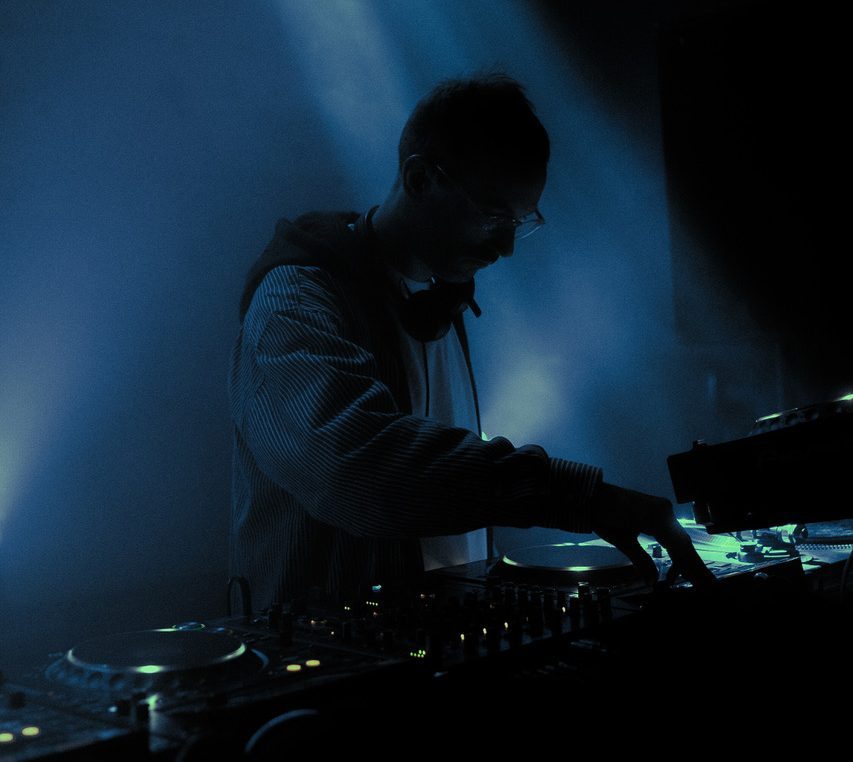
George Patrick

Build your own world

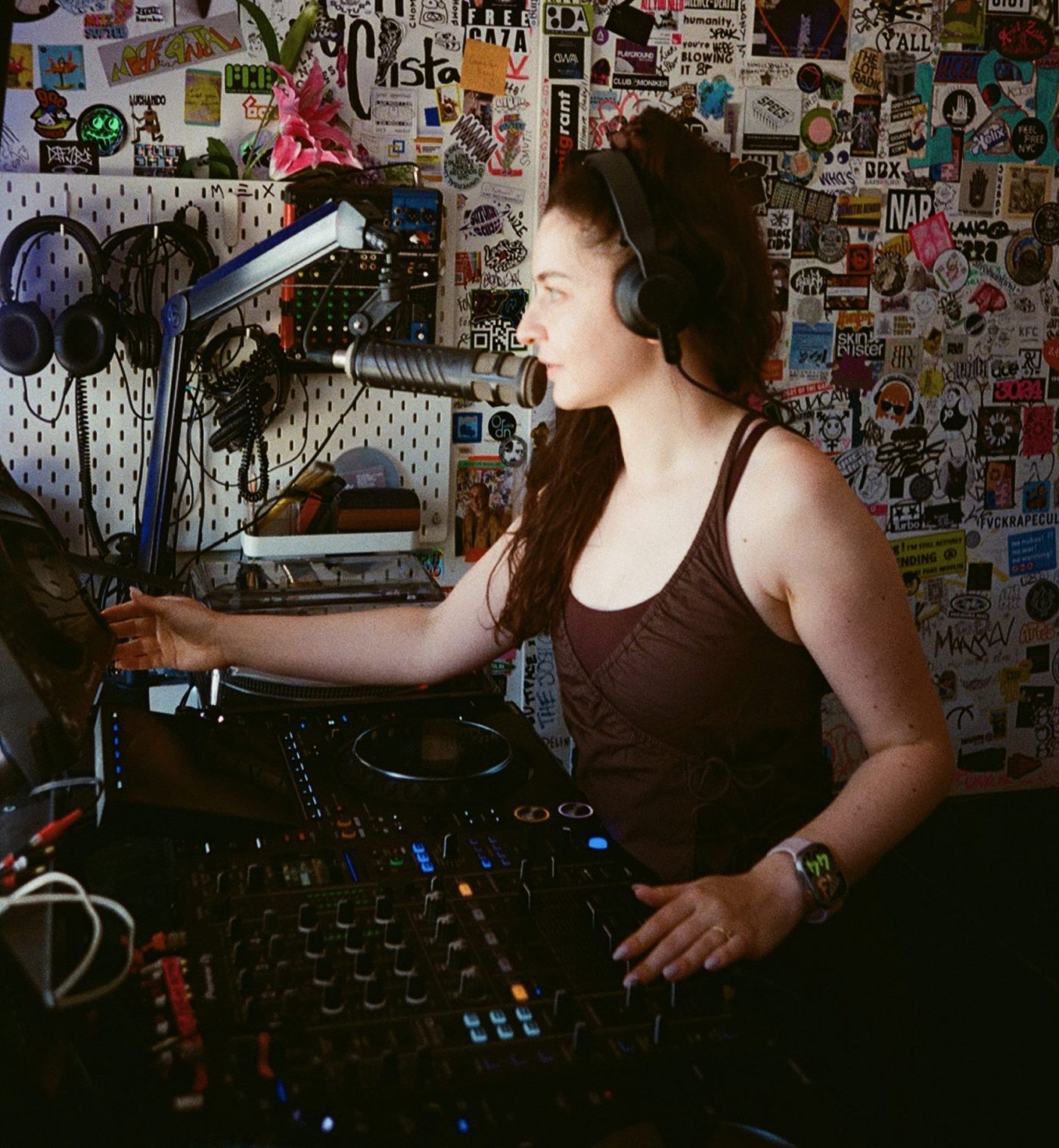
A radio show is an opportunity to build your own world, so cherish it. “It’s yours; you can do what you want with it,” said Emily Dust, who hosts a fortnightly show for the American online music distribution company Bandcamp. “If you know you’ve got one show a month, that’s your platform; you’re in control.” You might want to share unique recipes from your heritage alongside some music; you might want to read poetry in between your song selections; or you might want to show listeners underrepresented genres from around the globe.

When Dust started out, there were barely any places covering the sort of global scenes she was interested in. “The landscape when I got into radio was Radio Wales from the BBC; Red Dragon, a local commercial station; and Real Radio, which was ‘golden oldies.’” Those were the options for getting work experience basically.”

So when she landed a job at the BBC, she made the most of it. For Radio 4, she interviewed Kwame Otiende, who transformed the adored Dalston club Passing Clouds into The Jago. And for the World Service, she made one of the first British documentaries on Gqom. Once internet and community radio took off, she further indulged her interests with a show on Soho Radio. 

“If you’re looking to build relationships and get into a scene, having guests on is a really nice way of doing that because you can show artists you like their stuff,” said Dust, who always has a guest on her Bandcamp Electronic shows. “It’s about the quality of connection and coming back to why you want to do it. I’ve always wanted to showcase artists that I felt deserved a platform.”

Having a guest might mean sacrificing some of your own airtime, but ultimately this will bring you closer to the music scene you’re inspired by and could help you reach more listeners. “They might share it with their audience, and their audience might come back to you,” explained Dust. “So it’s a nice reciprocal thing.”  

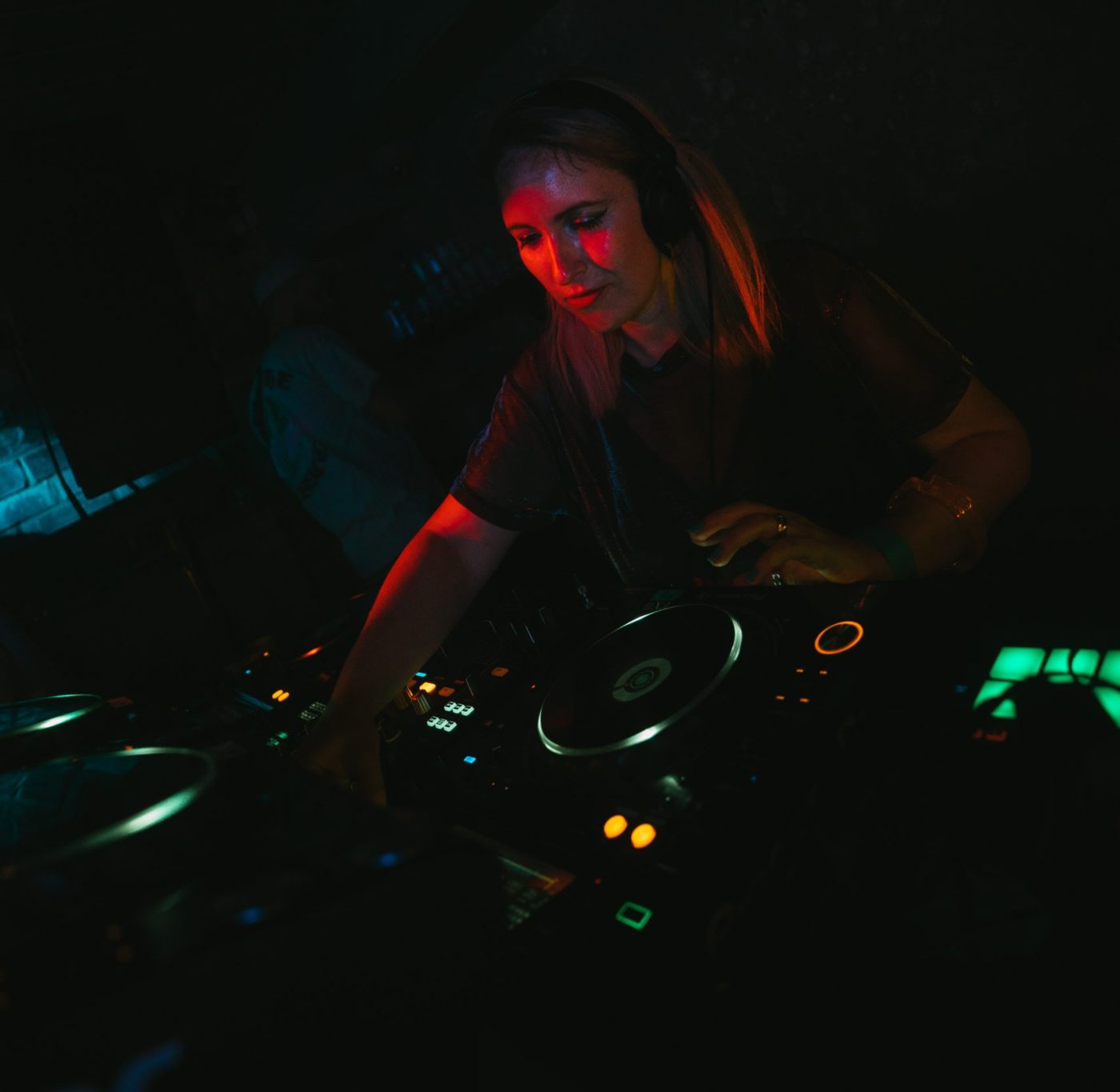
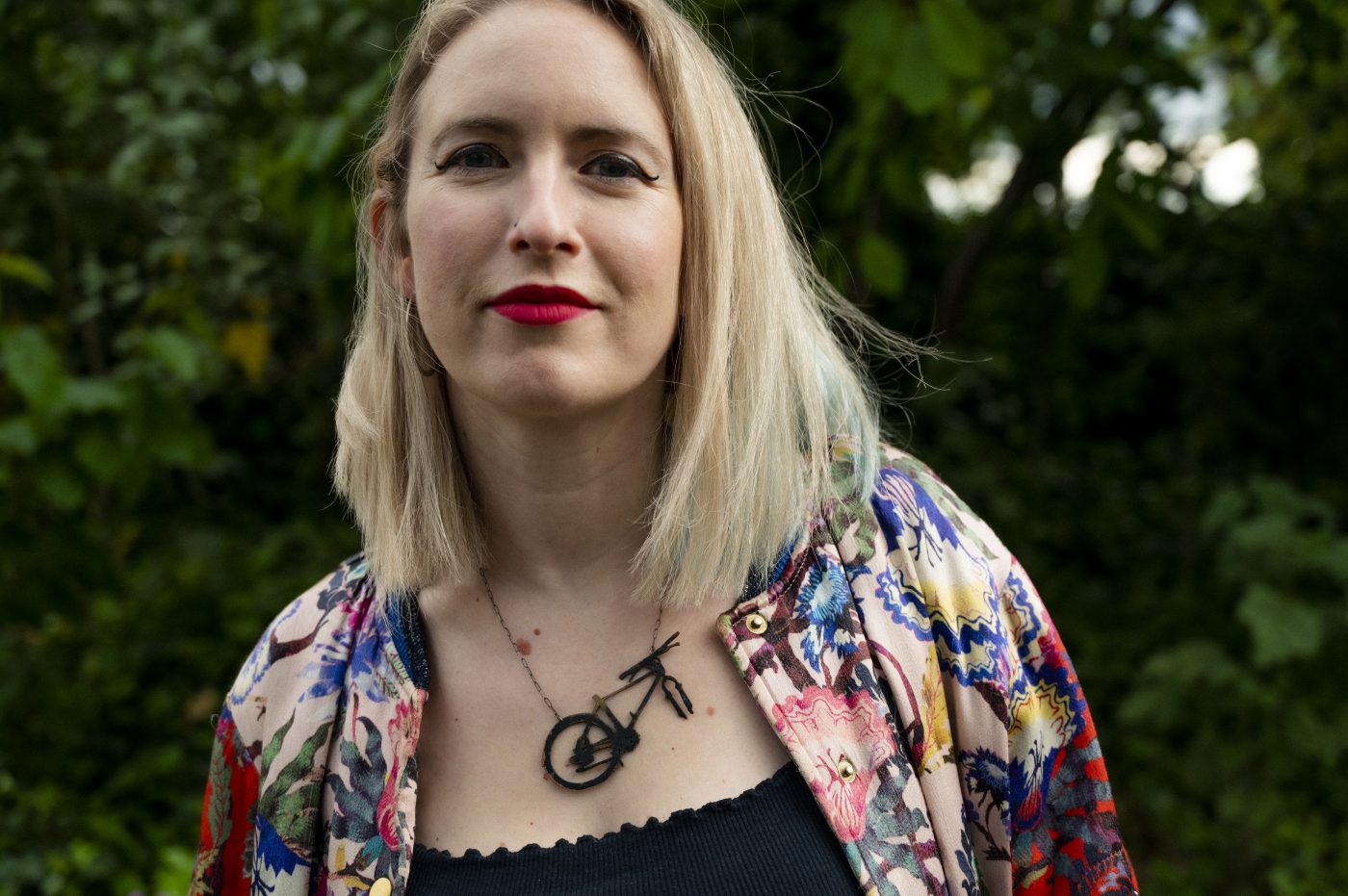
Emily Dust, photo: @eduardfilh

Finding your flow

For NTS’s Do! You! Breakfast Show, Charlie Bones had multiple sections in his morning broadcast, ranging from live Skype calls with guests to jukebox sessions. “Charlie’s show is chaotic,” said Raji Rags in an homage to the legendary radio show after it stopped airing, “but I don’t think people really understand that he orchestrates that chaos immaculately.”

Being able to pull together a show with that much character takes practice and preparation. “The whole idea of radio is that it sounds like someone is talking to you,” said Dust. “You don’t really want to hear them reading out an essay they’ve written. But like in public speaking, to sound spontaneous you have to do a lot of prep. So whether that’s telling a story to link two tunes, or [focusing on] the sound of the records and how they mix together, I spend a long time making sure it sounds cohesive.” 

In a recent Bandcamp Electronic Show, you could hear the level of detail Dust goes into: after playing a tune by Caracas’ raptor house pioneer DJ Babatr, she spins one by another Venezuelan producer, WOST, whose tune was released on Love In The Endz, a label that guested on a previous episode of the show. This leads her to introduce her current guests, Kalaf and Branko. There is always a thread between the music.

BBC Radio 1 and NTS host Martha Pazienti Caidan, better known as Martha, uses NTS Radio’s tagline to guide her track introductions. “NTS’s whole slogan is Don’t Assume,” she said. “I take that very literally: I would never want to say, ‘This is on Hyperdub,’ without giving people the context: What is Hyperdub? Why should we care about Hyperdub? Why is it important in the scene or in history?”  

So rather than trying to put the music you’re playing into flowery words, sticking to facts can give valuable context to your listener while also taking the pressure off having to “be yourself”—your character will naturally shine through if you have a deliberate flow to your show and a solid bank of information to share. 

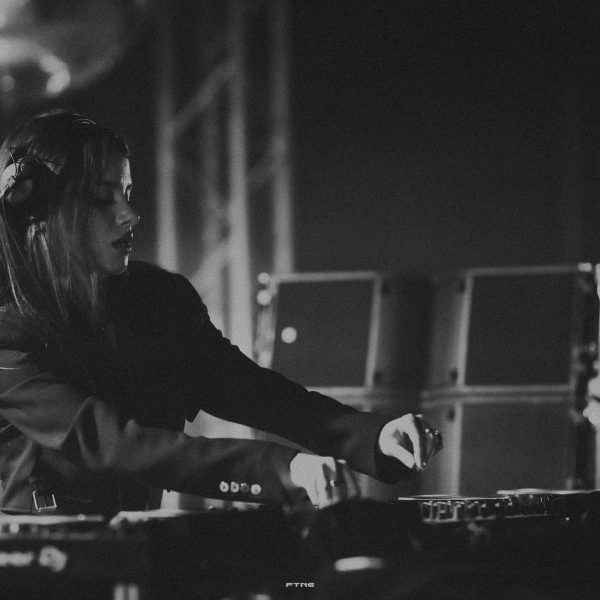
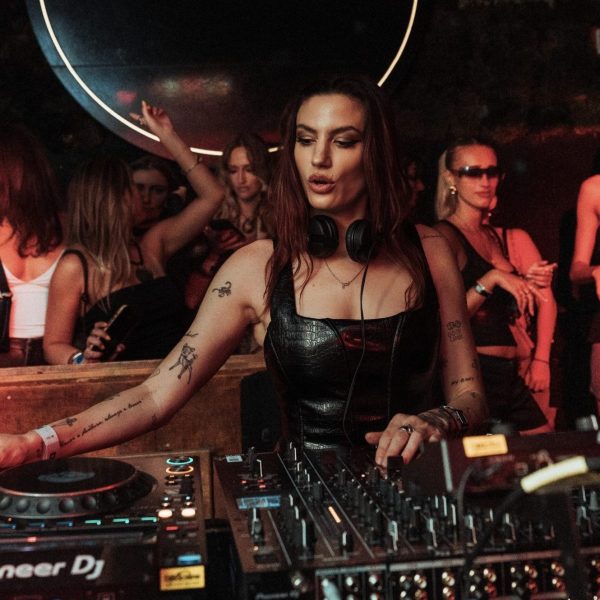
Those facts don’t always have to be the same run-of-the-mill stuff. Martha, who came up through Reprezent radio and now runs the Radio 1 Dance UK Club Show, remembered tips she picked up from working with Annie Nightingale: the late BBC radio host would get Martha to find her no more than three facts about the artist whose music Annie was playing. “She would always want something quirky about them,” Martha said, “and she loved it when the artist had a [day] job. She thought that made them so interesting.” And if you don’t have anything prepared, there are always simple IDs. “IDs are basically my love language,” said Martha.
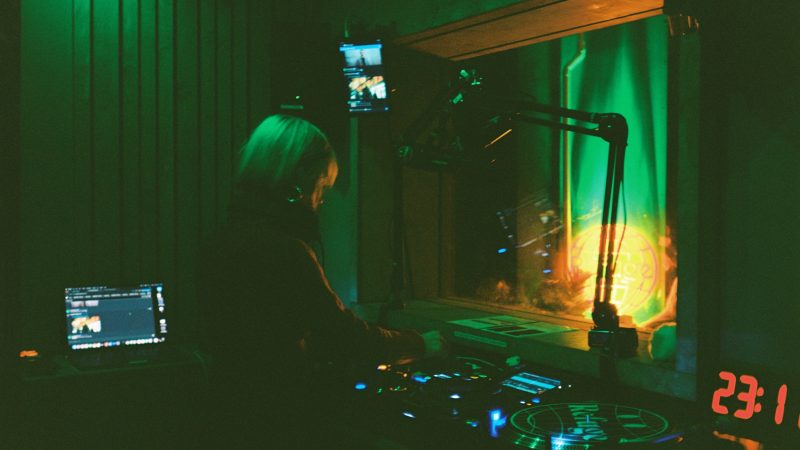
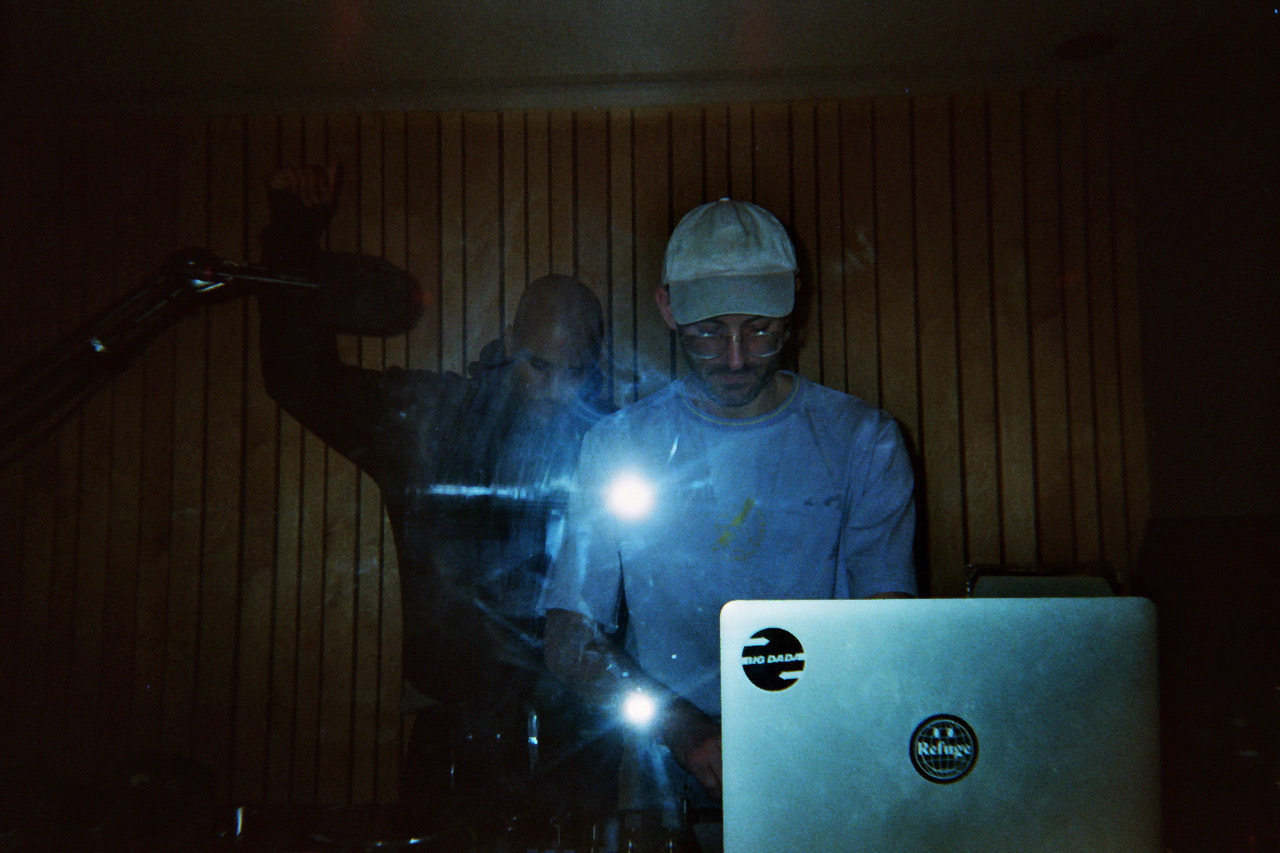
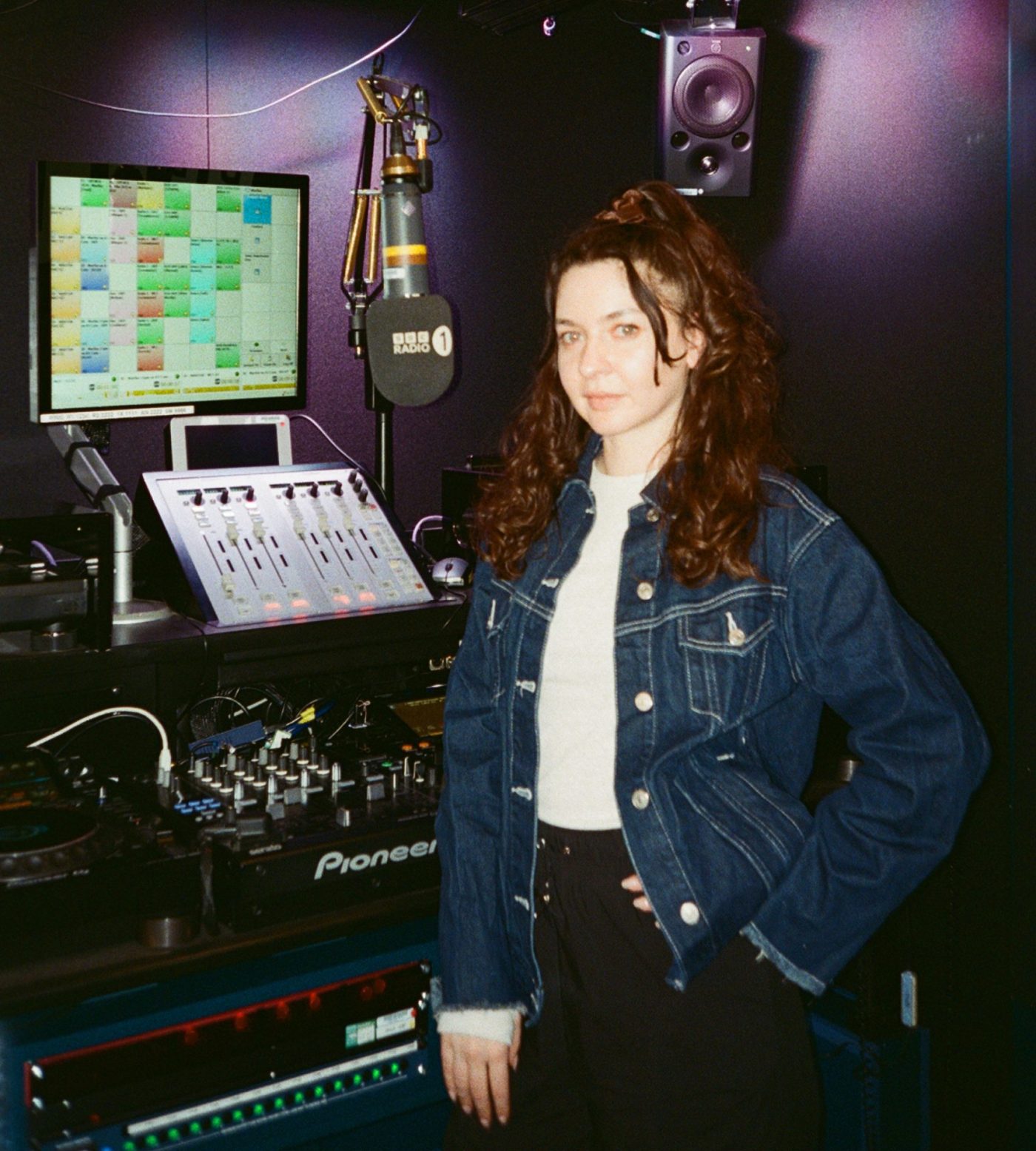
Martha

The immediacy of live radio

Although radio doesn’t necessarily happen live any more, there’s something special about its original format. “It’s what makes radio so important, the immediacy of conversation, the familiarity of a voice, the comfort of knowing that the person on the end of the microphone is there and speaking to you at that exact moment,” said Refuge Worldwide’s George.

Martha felt the same way: it’s that comfort that made radio so vital for her growing up. “Radio felt like a way of hanging out, a social interaction where nothing is asked of you, as the listener. To me, as someone who was really struggling to communicate, that was quite amazing. All the pressure was off, all you had to do was take it in and learn. 

“Now I can deliver that type of social interaction for someone and that’s a big responsibility for me,” she said. “I think it’s going to be more and more important as we move through these times—where people are feeling so isolated that they can’t have a normal conversation—that we have these people on the radio to give a little bit of something.”

So even if you’re not recording live, it’s important to respect the intimacy that radio is historically known for. Listen back to your radio shows and find what you liked or didn’t like about how you spoke, and pull inspiration from other speakers. This could be the old pirate DJs and MCs who would rattle off names of people, places and parties with the fervour of a revolutionary. Or it could be “adapting to how radio is now—which is not the pirate era,” said Martha, who “squirrels” her tone of voice from places you wouldn’t expect. “The way I talk to people on NTS comes from certain yoga teachers that I like: the way at the end of their classes they say, take care.”

George Patrick

Diversify your social content

Nowadays a lot of stations offer live video streaming, which has opened the floodgates for radio DJs (myself included) to spam your social media feeds with video highlights of their shows. This acts as an easy way for DJs to share a preview of what went down during their broadcast and encourage people to engage with it—ideally, to listen back. But Martha believes asking people to listen to your radio show like that doesn’t work. “You have to give them something else,” she said. “Maybe you’re researching a particular subject and you show them that research on socials. Then you can be like, if you want more I’ll send you the link to the full episode.”

For a recent broadcast, she focused on dance music that had the distinct Korg M1 organ synth in it (like “Show Me Love”). For her social media post she went out to The Musical Museum in Brentford and took pictures of the Korg M1 to use alongside the research she’d already done for the show, so she wasn’t doubling up the work. “It’s about thinking of ways to translate the essence of the show into social media formats,” she explained.

You can tailor your approach to suit who you are as a person. Martha said that she hated posting on social media at first. “I think it was because I didn’t like it being about me,” she said. “Now I’ve realised it can be about the subjects I love exploring on the radio. It doesn’t have to be about me at all.

“Throughout the whole experience [of prepping and delivering a show] there are going to be elements that are more uncomfortable and more challenging. It’s about enjoying the parts that aren’t stressful. For me, getting the music I want to play together—that’s super enjoyable. Or digging for music—that’s super enjoyable.”

Emily Dust, credit: Franco Blanco

A durable format

The most effective way to share and comment on music has changed a lot in recent times. One moment it’s in-depth reviews, the next it’s short talking-to-the-camera Reels, the next it’s churning out listicles. But through all of this, radio has remained a constant, bridging the gap between longform journalism and accessible multimedia content.

“We definitely are beginning to focus more heavily on radio—not so much to the neglect of print, but because people discover music in a whole bunch of different ways,” said J. Edward Keyes, the editorial director of Bandcamp. “The doubling-down springs from the idea that no one can recommend music to people like other people. And while there’s definitely a place for human-curated playlists, being able to hear the selector’s voice actually drives home that 1:1 connection with another person. You get to know them and their personality more than if you were just listening to a list of tracks they pick out.” 

So keep up the Substack, keep up the Reels, and the carousels. But if you want to hedge your bets, start a radio show. “It has outlasted and outplayed several other formats that have come and gone since the first radio broadcast,” said George. “Radio is flexible, it morphs with the times, from pirate radio to this new wave of DIY stations popping up in every city around the world… I highly doubt radio is going anywhere anytime soon. In fact, it’s already lasted over 120 years. Do you think we’ll be using Instagram in 120 years from now?”

Martha

Text: Joe Francis