The shift to bigger stages
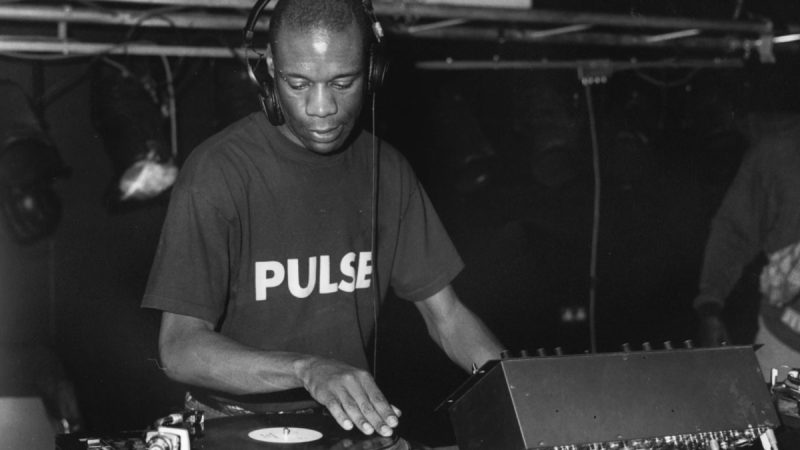
In London, the British rare groove movement was closely tied to the emergence of rave culture. For a time, the biggest names in DJing would have been either locally known through their appearances in clubs and bars, or people who were prominent on the radio.
In the rare groove scene, it was common for party organisers to break into warehouses and set up sound systems. Outfits like Rapattack, Funkadelic Soul Sound, Soul II Soul, Shake N Fingerpop, and Good Times helped establish the foundations of London’s warehouse party culture, which was replicated when acid house kicked off in the late ‘80s.
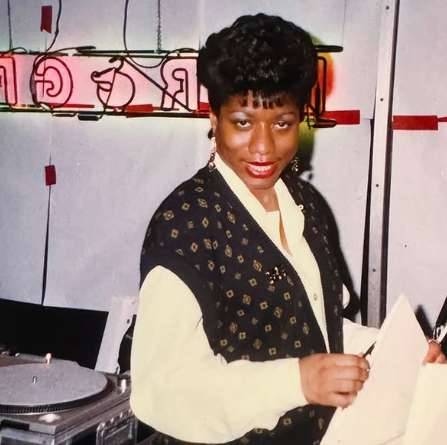
“Norman Jay was throwing massive, massive parties, and I think around that period you had Soul II Soul, Froggy, there were so many of them,” Colin Dale explained. “Those names started to get elevated, and of course, when everything went electronic, it carried on from then.”
“For me personally, I think DJs really started to get elevated with rare groove and that massive movement because it was then that people started to really pick up on names,” he added.
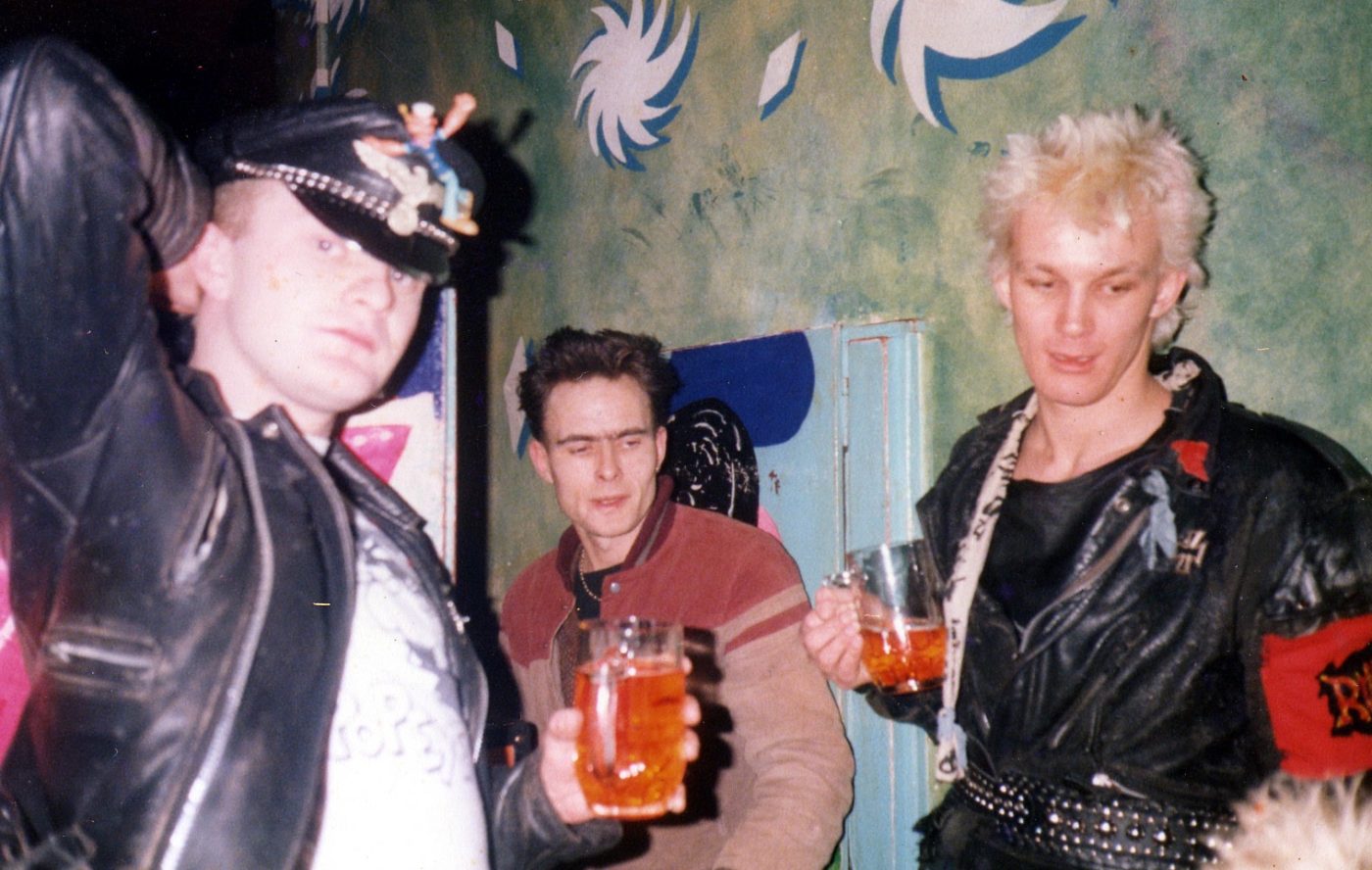
“In the early 80s, the DJ was basically the guy in the corner turning records over or talking into a mic at a pub or soul night,” said Trevor Fung. “By ’88, with the explosion of acid house and the M25 raves in the UK, everything flipped. DJs became the main event, the curators of a total sensory sound experience. Suddenly, you were playing to 20,000 people in a field at 7:30 AM at events like Sunrise, standing on juggernauts in front of massive speaker stacks. We went from being local scene figures to headliners almost overnight.”
Trevor’s connection to Ibiza also offers a window into the shifting status of the DJ. He based himself in Ibiza for several years before the acid house “revolution” was sparked in the late ‘80s, by which time he was a resident at the now-iconic Rage night held at Heaven. He hosted the main room with Colin Faver, while jungle pioneers Fabio and Grooverider took charge of Room 2.
“When I brought Paul Oakenfold, Danny Rampling, Nicky Holloway, and Johnny Walker over to Ibiza in summer 1987, the freedom blew their minds and kicked off the whole UK movement when we got back,” Trevor explained.
As the Balearic sound was imported to London, it captured the imaginations of countless new ravers, as well as the unwanted attention of the media. This fuelled the acid house craze, which swept the nation. Media condemnation only fanned the flames and increased its popularity. From clubs like Heaven, to illegal warehouses and, eventually, huge outdoor events in fields, the hedonistic energy of Ibiza was transported to the UK and the rest of Europe. Outdoor raves took place in Belgium, Holland, Germany, Spain, France, Italy and other European nations. New genres and labels were spawned out of this proliferation of electronic music. DJs ended up playing on bigger and bigger stages, to bigger and bigger crowds.
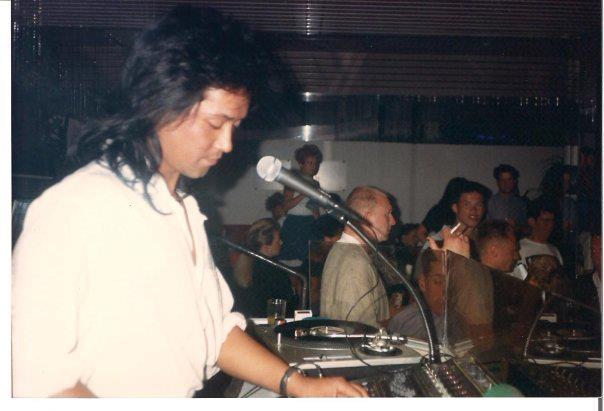
“When acid house broke out of the UK, some DJs moved to other places, like San Francisco or wherever, and they knew how that system worked,” said Eddie Richards. “They knew what it took to put on a big event. So they’d put on a party themselves, and then it took off in their particular location. Once it got big enough, they could afford to bring over the people that were playing at the big raves, like Carl Cox, or me, or whoever. When DJs started touring, then it was like, ‘Oh wow, this guy’s actually DJing in America’ or wherever it might be. I think that’s when the whole thing shifted into this DJ superstar business.”
Many of the same DJs were booked at the big events, and ravers became familiar with the names on the flyers and posters and those names became a selling point for events. In London, for example, people like Colin Dale and Colin Faver became well known through their slots on Kiss FM and appearances at raves. Cassette tapes of their gigs—and, later, sets from the raves—circulated nationwide and, sometimes, worldwide establishing their names and building fanbases globally.
International recognition was crucial to the house and techno pioneers. The support and adulation from music fans, event promoters and label owners overseas brought them a level of success that simply wasn’t possible in their home nation. Artists like Kevin Saunderson, with Inner City, had commercial hits, while Jeff Mills, Juan Atkins, Derrick May, and others picked up regular bookings in the UK and Germany especially.
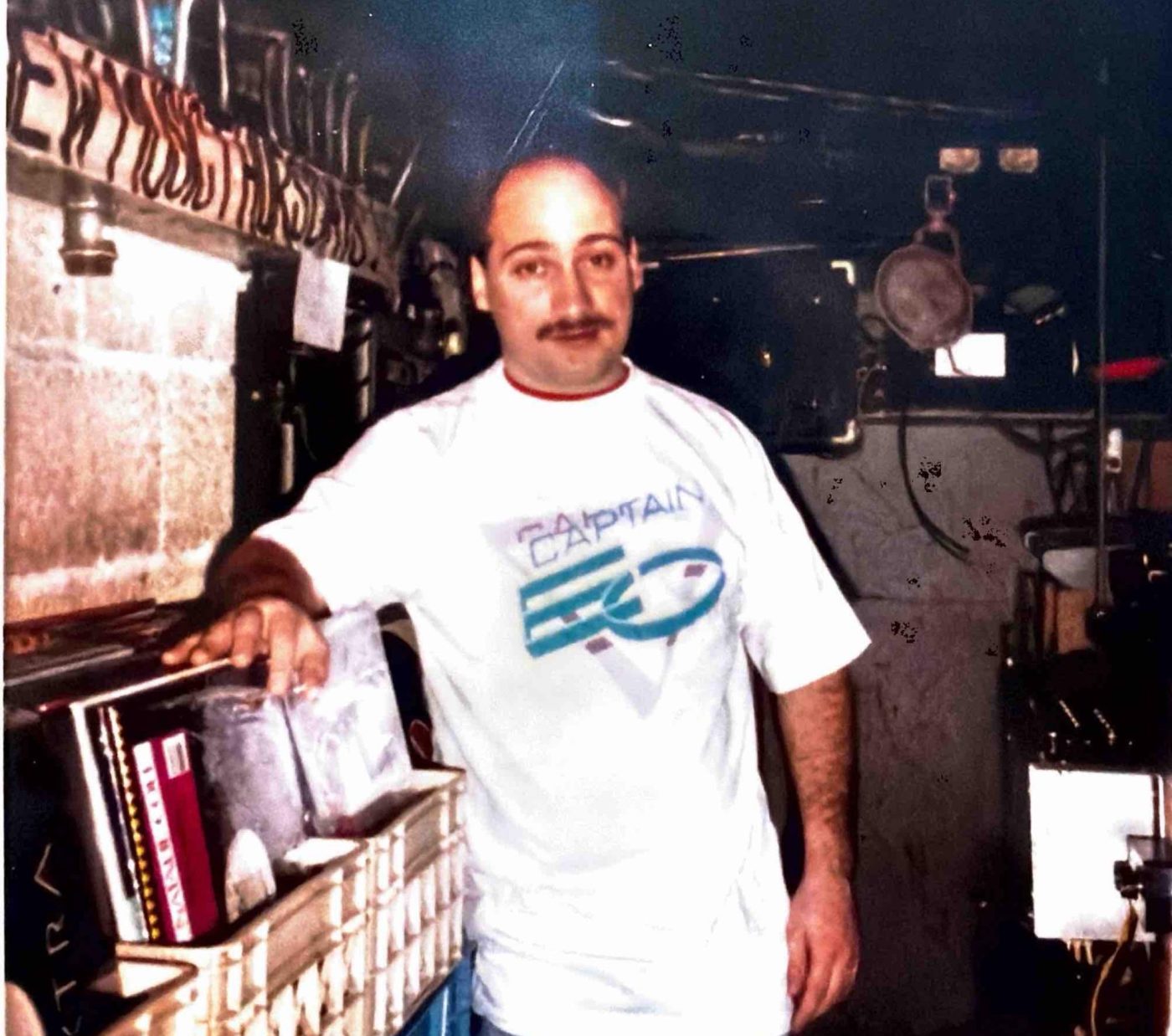
“I think it started happening like in the late ’80s and early ’90s, where raves were taking place here and there globally, and that mentality started to bleed its way into nightclubs, especially the larger venues,” Danny Tenaglia explained. “So there were venues that could hold 3,000 people easily, or maybe more, give or take. But then the concept became: ‘We’re going to get this promoter, this sub promoter, that sub promoter,’ and each one wanted to bring in their own DJ. Then, before you know it, instead of a guy like myself who held a solitary residency, then it was like five or six names on a flyer.”
What started at the dawn of the ‘80s as a pastime-cum-job for a select few gradually morphed into an exploding global culture. As the music gained popularity, so too did the idea of presenting it in bigger club spaces, with professional DJs, high-spec equipment and the notion of people having an “experience.” By the latter part of the decade, outdoor raves were popularised around Europe, the UK and parts of America. The magnitude of these events meant big money for those organising them.